
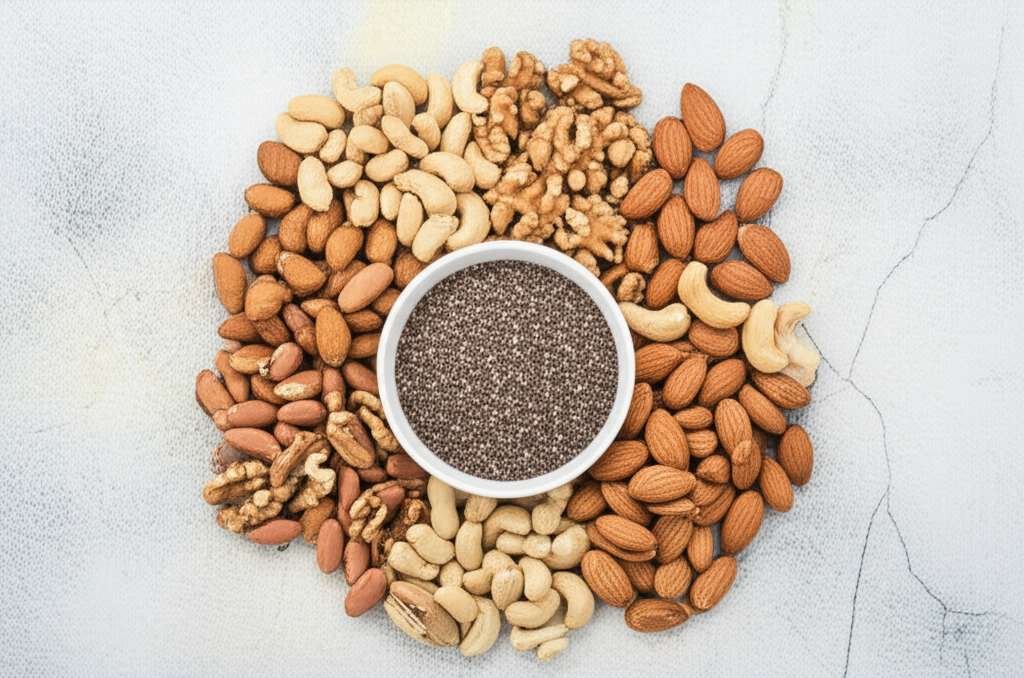
For fatty liver weight loss, incorporating nutrient-dense nuts and seeds like walnuts, almonds, flaxseeds, and chia seeds is a smart, simple strategy. These foods provide healthy fats, fiber, and protein that aid in weight management and support liver health, making them excellent additions to a beginner-friendly diet.
Feeling confused about weight loss, especially when dealing with fatty liver? You’re not alone. Many people find it tough to figure out what to eat to shed those extra pounds and help their liver at the same time.
It can feel like a puzzle with so many different diets and advice out there. But what if I told you that some of the simplest foods can make a big difference?
Today, we’re going to explore 12 amazing nuts and seeds that are not only delicious but also powerful allies in your weight loss journey and for improving your liver health. Let’s break it down together, step by step!
Understanding Fatty Liver and Weight Loss
Fatty liver disease, also known as non-alcoholic fatty liver disease (NAFLD), is a common condition where excess fat builds up in your liver. It often happens alongside being overweight or obese.
The good news is that losing even a small amount of weight can significantly improve liver function and reduce fat in the liver. For example, losing 5-10% of your body weight can make a real difference. This often involves changes to your diet and increasing physical activity.
When we talk about weight loss, it’s not just about shrinking numbers on a scale. It’s about adopting healthier habits that your body and your liver will thank you for. This includes choosing foods that provide essential nutrients without overloading your system.
Why Nuts and Seeds Are Great for Fatty Liver and Weight Loss

Nuts and seeds might be small, but they pack a mighty nutritional punch! They are often called “superfoods” for good reason, especially when it comes to managing weight and supporting liver health.
They contain healthy fats, which are crucial for hormone balance and can actually help you feel full longer. This helps prevent overeating. Plus, their fiber content aids digestion and keeps blood sugar levels steady, which is important for both weight loss and liver health.
Think of them as nature’s tiny powerhouses, giving you the energy and nutrients you need to thrive while supporting your body’s natural functions, including detoxification and fat metabolism.
The 12 Best Nuts & Seeds for Fatty Liver Weight Loss
Let’s dive into the stars of our show! These 12 nuts and seeds are fantastic choices because they offer a great mix of benefits for your weight and your liver.
1. Walnuts
Walnuts are famous for their omega-3 fatty acids, a type of healthy fat that’s great for heart health and may help reduce inflammation. They also contain antioxidants that protect your cells.
Their fiber and protein content helps you feel satisfied, making them a smart snack choice when you’re trying to manage your weight and cravings. A small handful can be very filling.
2. Almonds
Almonds are a powerhouse of Vitamin E, magnesium, and fiber. This combination is excellent for overall health and can support weight loss by improving metabolism and promoting fullness.
They have a good amount of protein and healthy monounsaturated fats. Studies suggest that almonds can help with appetite control and may contribute to a healthier body composition.
3. Flaxseeds
Flaxseeds are tiny but mighty, especially when it comes to fiber and omega-3s (ALA). They are particularly good for digestive health and can help regulate blood sugar levels.
To get the most benefit, it’s best to eat them ground. Ground flaxseeds are easier for your body to absorb their nutrients. They can be added to smoothies, yogurt, or oatmeal.
4. Chia Seeds
Chia seeds are like little sponges! They absorb liquid and expand, which can help you feel full for a longer time. They are packed with fiber, protein, and omega-3 fatty acids.
They are incredibly versatile and can be used in puddings, added to drinks, or sprinkled on salads. Their ability to absorb water makes them great for hydration and satiety.
5. Pumpkin Seeds (Pepitas)
Pumpkin seeds are a fantastic source of magnesium, zinc, and healthy fats. Magnesium is important for many bodily functions, including blood sugar control, which is beneficial for fatty liver management.
They also offer a good amount of protein, helping to keep you feeling full and satisfied. Roasting them lightly can make them a delicious and healthy snack.
6. Sunflower Seeds
Sunflower seeds are rich in Vitamin E, selenium, and healthy fats. Selenium is an antioxidant that can help protect your liver from damage. They also provide a good source of protein.
Opt for unsalted and unroasted varieties when possible to avoid added sodium and unhealthy oils. They can be eaten on their own or added to salads and baked goods.
7. Pecans
Pecans are delicious and contain a good mix of healthy fats, fiber, and antioxidants. They are known for their rich, buttery flavor and can be a satisfying snack.
While they are a bit higher in calories, a small serving can provide significant satiety, helping to curb hunger. They are also a good source of zinc, which plays a role in immune function.
8. Macadamia Nuts
Macadamia nuts are celebrated for their high content of monounsaturated fats, which are heart-healthy and can help improve cholesterol levels. They also provide some fiber.
Like pecans, they are calorie-dense, so moderation is key. A small portion can add a healthy boost of fats and flavor to your diet.
9. Brazil Nuts
Brazil nuts are most famous for their incredibly high selenium content. Just one or two Brazil nuts can provide more than your daily recommended intake of selenium!
Selenium is a powerful antioxidant that is vital for thyroid function and can help protect your liver. However, due to the high selenium, it’s important not to eat too many – 1-3 per day is usually sufficient.
10. Pistachios
Pistachios are a great source of protein, fiber, and antioxidants. Their vibrant color comes from compounds that have beneficial health effects. They are also a good source of Vitamin B6.
The act of shelling pistachios can also slow down your eating, which can help you feel fuller and eat less. This makes them a great mindful snacking option.
11. Hemp Seeds
Hemp seeds are a complete protein source, meaning they contain all nine essential amino acids your body needs. They also provide a good balance of omega-3 and omega-6 fatty acids.
Their mild, nutty flavor makes them easy to add to almost any meal. They can be sprinkled on salads, mixed into smoothies, or stirred into yogurt. They are also a good source of magnesium and iron.
12. Sesame Seeds
Sesame seeds, especially in their unhulled form, are a good source of calcium, magnesium, and fiber. They contain lignans, which are plant compounds with antioxidant properties that may benefit liver health.
They can be used whole or as tahini (sesame paste) in dressings and dips. Toasting them can enhance their flavor. They also offer healthy fats and some protein.
Nutritional Breakdown: Nuts vs. Seeds
While both nuts and seeds are nutritional powerhouses, they have slightly different strengths. Understanding these differences can help you build a well-rounded diet.
Nutritional Benefits Table
| Nutrient | Primarily from Nuts | Primarily from Seeds | Benefits for Fatty Liver & Weight Loss |
|---|---|---|---|
| Healthy Fats (Monounsaturated & Polyunsaturated) | High in both, especially almonds, macadamias | High in both, especially walnuts, flax, chia | Promote satiety, reduce inflammation, support hormone balance. |
| Fiber | Good source, e.g., almonds, pistachios | Excellent source, e.g., flax, chia, pumpkin | Aids digestion, helps control blood sugar, increases fullness. |
| Protein | Good source, e.g., almonds, pistachios | Excellent source, especially complete proteins like hemp | Helps build muscle, increases satiety, supports metabolism. |
| Vitamins (e.g., E, B vitamins) | High in Vitamin E (almonds, sunflower), B vitamins (pistachios) | Good source of B vitamins, Vitamin E (sunflower seeds) | Antioxidant protection, energy metabolism. |
| Minerals (e.g., Magnesium, Zinc, Selenium) | Good source of magnesium (almonds), zinc (pumpkin) | Excellent source of magnesium (pumpkin, hemp), zinc (pumpkin), selenium (sunflower, Brazil nuts) | Supports blood sugar control, immune function, antioxidant defense. |
| Omega-3 Fatty Acids (ALA) | Present in some (walnuts) | Very high in flaxseeds, chia seeds, hemp seeds | Anti-inflammatory, crucial for overall health. |
As you can see, both offer incredible benefits. Seeds often have a slight edge in fiber and certain minerals like magnesium and selenium, while nuts are renowned for Vitamin E and heart-healthy monounsaturated fats.
How to Incorporate Nuts and Seeds into Your Diet
Adding these nutritious foods to your meals and snacks is easier than you think! Here are some simple and practical ways to enjoy them:
Easy Ways to Eat More Nuts and Seeds
- Snack Smart: A small handful of almonds, walnuts, or pistachios makes a perfect mid-morning or afternoon snack. Portion control is key here – about a quarter cup is a good serving size.
- Boost Your Breakfast: Sprinkle chia seeds, flaxseeds, or chopped nuts over your oatmeal, yogurt, or whole-grain cereal.
- Smoothie Power-Up: Add a tablespoon of flaxseeds, chia seeds, or a few almonds to your favorite smoothie for extra fiber, protein, and healthy fats.
- Salad Toppers: Sprinkle pumpkin seeds, sunflower seeds, or chopped pecans onto salads for added crunch and nutrition.
- Baking Buddy: Incorporate chopped nuts or seeds into muffins, whole-grain bread, or energy balls.
- Savory Dishes: Use sesame seeds in stir-fries or on roasted vegetables. Tahini (sesame seed paste) makes a great base for salad dressings and dips.
- Seed Butters: Explore nut and seed butters (like almond butter, sunflower seed butter) as a spread on whole-grain toast or fruit slices.
Remember, variety is the spice of life and also great for nutrition! Aim to include a mix of different nuts and seeds throughout the week to get a wide range of nutrients.
Portion Control and Calorie Awareness
While nuts and seeds are incredibly healthy, they are also calorie-dense. This means a small portion contains a lot of energy (calories).
This isn’t a bad thing! The healthy fats and fiber in them help you feel full, which can prevent you from overeating later. However, it’s important to be mindful of portion sizes, especially if weight loss is your primary goal.
A general guideline for a serving of nuts is about one ounce, which is roughly a small handful (about 1/4 cup). For seeds, it’s often 1-2 tablespoons.
Measuring your portions, especially when you’re starting out, can be very helpful. This ensures you’re getting the benefits without adding too many extra calories to your day. You can use measuring cups or simply compare the amount to the size of your thumb or a golf ball.
Hydration is Key
When you increase your intake of fiber-rich foods like nuts and seeds, it’s super important to drink plenty of water. Fiber needs water to do its job effectively in your digestive system.
Staying hydrated helps the fiber move smoothly through your gut, preventing constipation and maximizing its benefits for satiety and blood sugar control. It also supports overall bodily functions, including those of your liver.
Aim for at least 8 glasses of water a day, and more if you are active or in a warm climate. Water is your best friend on this journey!
What to Look For and What to Avoid
When you’re shopping for nuts and seeds, there are a few things to keep in mind to make sure you’re choosing the healthiest options.
Smart Shopping Choices
- Raw or Dry-Roasted: These are generally the best options as they haven’t been cooked in oils.
- Unsalted: Many nuts and seeds are sold with added salt. Opting for unsalted versions allows you to control your sodium intake, which is important for overall health.
- Whole or Chopped: These are perfectly fine.
- Ground Flaxseeds: As mentioned earlier, ground flaxseeds are easier to digest and absorb nutrients from.
Things to Be Mindful Of
- Salted/Flavored Varieties: These often contain high amounts of sodium and artificial flavorings.
- Honey-Roasted/Candied: These are loaded with added sugars, which can counteract the health benefits and hinder weight loss.
- Nuts Roasted in Oil: While not as bad as added sugars, dry-roasting is preferable to avoid unnecessary added fats.
- Large Portions: Even healthy foods can contribute to weight gain if eaten in excessive amounts.
Reading labels is your best strategy. It helps you make informed choices and stick to your health goals.
Scientific Backing for Nuts, Seeds, and Liver Health
The benefits of nuts and seeds for fatty liver and weight management are supported by scientific research. For instance, studies have shown that incorporating nuts into the diet can lead to modest weight loss and improvements in cardiovascular risk factors.
Research published in journals like the American Journal of Clinical Nutrition has explored the effects of nut consumption on weight and metabolic health. These studies often highlight the role of healthy fats, fiber, and protein in promoting satiety and improving body composition.
Furthermore, specific nutrients found in nuts and seeds, such as omega-3 fatty acids and antioxidants, are being studied for their potential role in managing liver conditions. For example, a review in Nutrients discusses how dietary patterns rich in nuts and seeds might help in the prevention and management of non-alcoholic fatty liver disease (NAFLD).
These findings underscore why nuts and seeds are excellent choices for anyone looking to support their liver health while working towards a healthier weight. They offer a delicious and effective way to boost your nutrient intake.
FAQs About Nuts, Seeds, and Fatty Liver Weight Loss
Can I eat nuts and seeds if I have fatty liver?
Yes, absolutely! Nuts and seeds are highly beneficial for fatty liver disease and weight loss due to their healthy fats, fiber, and protein content. They can help improve liver health and promote satiety, aiding in weight management.
How many nuts and seeds should I eat per day for weight loss?
Portion control is important because they are calorie-dense. A good starting point is about a quarter cup (around 1 ounce) of nuts or 1-2 tablespoons of seeds per day. Listen to your body and adjust based on your energy needs and weight loss goals.
Are all nuts and seeds good for fatty liver?
Generally, yes, most natural, unsalted nuts and seeds are beneficial. However, it’s best to choose raw or dry-roasted, unsalted varieties. Avoid heavily processed, candied, or salted versions, as these can add unhealthy sugars, sodium, and fats.
What’s the best way to eat flaxseeds for fatty liver?
For optimal nutrient absorption, it’s best to consume flaxseeds ground. You can add them to smoothies, yogurt, oatmeal, or baked goods. Whole flaxseeds may pass through your digestive system undigested.
Can eating nuts and seeds help reverse fatty liver?
While nuts and seeds are excellent for supporting liver health and can help reduce fat in the liver, they are part of a broader lifestyle change. Combining them with a balanced diet, regular exercise, and maintaining a healthy weight is key to potentially reversing or significantly improving fatty liver.
Are there any nuts or seeds I should avoid?
You don’t need to strictly avoid any specific nut or seed for fatty liver. The main thing to avoid is how they are prepared. Stay away from heavily salted, sugar-coated, or oil-roasted versions. For Brazil nuts, stick to 1-3 per day due to their high selenium content.
How do nuts and seeds help with weight loss specifically?
They help with weight loss by providing fiber and protein, which keep you feeling full and satisfied for longer, reducing overall calorie intake. Their healthy fats also contribute to satiety and can help regulate appetite.
Conclusion
Embarking on a weight loss journey, especially with a condition like fatty liver, can feel like a challenge, but it doesn’t have to be overwhelming. By making simple, smart food choices, you can significantly impact your health and well-being.
Nuts and seeds are incredible allies in this mission. They offer a rich source of healthy fats, fiber, protein, vitamins, and minerals that not only support weight loss by keeping you full and satisfied but also actively contribute to a healthier liver.
From the omega-3 goodness of walnuts and flaxseeds to the satisfying crunch of almonds and pumpkin seeds, there’s a delicious option for everyone. Remember to choose wisely by opting for raw, unsalted varieties and being mindful of portion sizes. Stay hydrated, and you’ll be well on your way to achieving your health goals.
Integrating these 12 best nuts and seeds for fatty liver weight loss into your daily routine is a practical, science-backed step towards a healthier, happier you. You’ve got this!
As an Amazon Associate, We earn from qualifying purchases. When you purchase a product through Amazon links on pulsefitguide.com, we may earn a small commission at no extra cost to you. This helps support the site and keep our content free.