
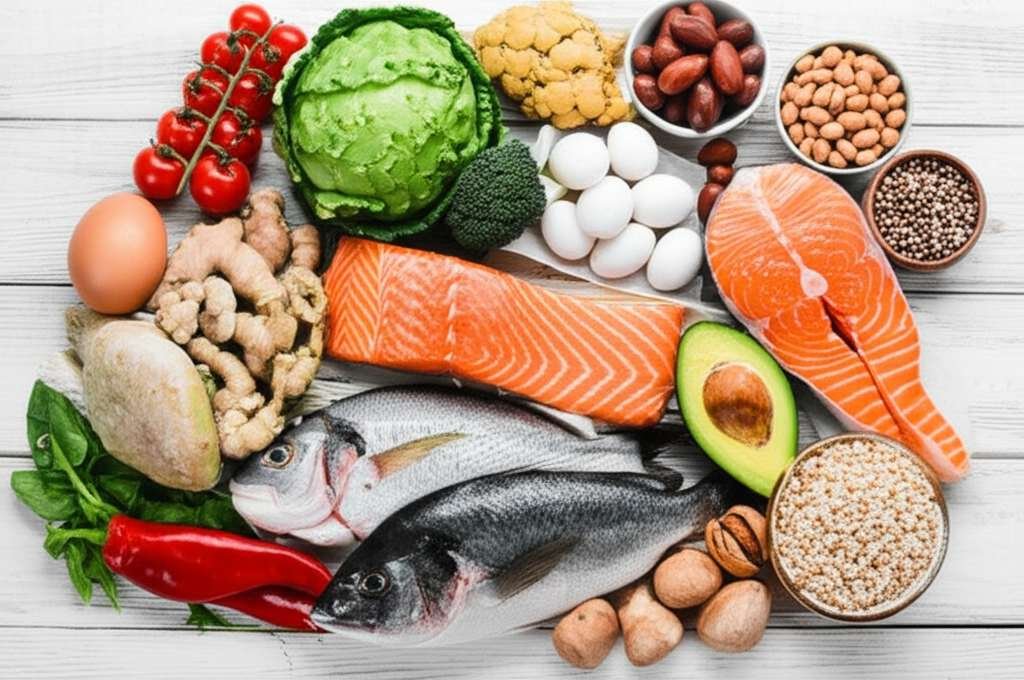
The 12 best lean protein foods for fatty liver weight loss are crucial for repairing liver cells, building muscle, and feeling full, which aids in shedding pounds and improving liver health. Focusing on these nutrient-dense options can make your weight loss journey easier and more effective.
Feeling confused about what to eat when you’re trying to lose weight, especially with a fatty liver? You’re not alone! It can seem like a puzzle with so many different diets and advice out there.
But what if I told you there’s a simpler way to approach it? Focusing on the right foods can make a big difference. We’ll look at lean protein, a superhero for both weight loss and liver health.
This guide is designed to be your easy-to-follow roadmap. We’ll break down exactly why lean protein is so important and share a list of delicious, accessible foods you can start enjoying today.
Why Lean Protein is a Game-Changer for Fatty Liver and Weight Loss
When you’re aiming to lose weight and improve your liver health, especially with fatty liver disease, protein becomes your best friend. It’s not just about building big muscles; it plays a vital role in many body functions that directly support your goals.
Think of protein as the building blocks for your body. It helps repair tissues, including those in your liver that might be struggling. For weight loss, protein is a powerhouse because it helps you feel full for longer, which means you’re less likely to overeat or snack on less healthy options.
Furthermore, your body uses more energy to digest protein compared to fats and carbohydrates. This means a higher protein intake can slightly boost your metabolism, helping you burn more calories throughout the day. This combined effect of satiety and metabolism support makes lean protein a cornerstone of any effective weight loss plan, particularly when managing fatty liver.
Protein and Liver Health
Your liver is a busy organ, working hard to detoxify your body and process nutrients. When you have non-alcoholic fatty liver disease (NAFLD), the liver accumulates too much fat, which can impair its function. Protein is essential for liver repair and regeneration.
Amino acids, the components of protein, are crucial for creating enzymes and other proteins that your liver needs to function optimally. A diet rich in lean protein can help reduce inflammation in the liver and support its recovery process. It’s like giving your liver the best tools to fix itself!
Protein and Weight Loss
Weight loss is often about creating a calorie deficit – burning more calories than you consume. Protein helps with this in a few key ways. Firstly, it has a high thermic effect, meaning your body burns more calories digesting it than it does digesting carbs or fats. This is a small but helpful boost to your metabolism.
Secondly, and perhaps most importantly for beginners, protein significantly increases satiety. When you eat protein, you feel fuller for longer periods. This reduces cravings and makes it easier to stick to a calorie-controlled diet. It’s a powerful tool for managing hunger pangs that often derail weight loss efforts.
Lastly, preserving muscle mass is vital during weight loss. When you lose weight too quickly or without adequate protein, you can lose muscle along with fat. Muscle is metabolically active, meaning it burns calories even at rest. By consuming enough lean protein, you help ensure that the weight you lose is primarily fat, not muscle, which is better for your metabolism and overall body composition.
The 12 Best Lean Protein Foods for Fatty Liver Weight Loss

Choosing the right protein sources is key. We want foods that are high in protein but low in unhealthy fats and added sugars, which can be detrimental to liver health. Here are 12 excellent options:
1. Chicken Breast (Skinless)
Chicken breast is a classic lean protein source. It’s incredibly versatile and can be prepared in countless healthy ways. Since it’s very low in fat, it’s an ideal choice for managing weight and supporting liver health.
A 3.5-ounce (100-gram) serving of cooked skinless chicken breast provides about 31 grams of protein and is very low in fat. It’s also a good source of niacin, selenium, and vitamin B6, all important for metabolism and overall health.
2. Turkey Breast (Skinless)
Similar to chicken breast, turkey breast is another excellent lean protein option. It’s low in calories and fat, making it a staple for weight management and healthy eating plans. It’s often recommended for its high protein content and minimal saturated fat.
A 3.5-ounce (100-gram) serving of cooked skinless turkey breast offers around 30 grams of protein. It’s also rich in phosphorus, selenium, and B vitamins, which are vital for energy production and cell repair.
3. Fish (Salmon, Tuna, Cod, Tilapia)
Fish is a fantastic source of lean protein, and fatty fish like salmon also provide omega-3 fatty acids, which have anti-inflammatory properties beneficial for liver health. Other white fish like cod, tilapia, and tuna are very lean and packed with protein.
A 3.5-ounce (100-gram) serving of cooked salmon contains about 20-25 grams of protein and healthy omega-3 fats. For very lean options, 3.5 ounces of cooked cod provides about 18 grams of protein with minimal fat.
The American Heart Association recommends eating fish at least twice a week, especially fatty fish, for heart and liver health benefits. You can find more information on the benefits of fish from the American Heart Association.
4. Lentils
Lentils are a plant-based powerhouse, offering a great combination of protein and fiber. This makes them incredibly filling and beneficial for blood sugar control, which is important for liver health. They are also very affordable and easy to incorporate into meals.
One cup (about 200 grams) of cooked lentils provides roughly 18 grams of protein and a significant amount of fiber. They are also a good source of iron, folate, and potassium. Their complex carbohydrates are digested slowly, preventing sharp spikes in blood sugar.
5. Beans (Black Beans, Kidney Beans, Chickpeas)
Like lentils, beans are another stellar plant-based protein source that also delivers substantial fiber. This dynamic duo helps promote satiety and supports digestive health. They are incredibly versatile and can be added to salads, soups, stews, and even baked goods.
A 1-cup serving (about 170 grams) of cooked black beans offers around 15 grams of protein and about 15 grams of fiber. Kidney beans and chickpeas are similarly rich in protein and fiber, along with essential minerals like magnesium and iron.
6. Tofu and Tempeh
Tofu and tempeh are derived from soybeans and are excellent vegetarian and vegan sources of complete protein. Complete proteins contain all nine essential amino acids that your body cannot produce on its own. Tofu is softer and more versatile, while tempeh has a firmer texture and a slightly nutty flavor.
A 3.5-ounce (100-gram) serving of firm tofu typically contains about 17 grams of protein. Tempeh, being fermented, is often easier to digest and contains a bit more protein, around 19 grams per 3.5-ounce serving, plus beneficial probiotics.
7. Greek Yogurt (Plain, Non-Fat)
Plain, non-fat Greek yogurt is a fantastic protein-rich dairy option. It’s thicker than regular yogurt because much of the whey is strained out, concentrating the protein. It’s also a good source of probiotics, which can support gut health, a factor often linked to liver health.
A 6-ounce (170-gram) serving of non-fat Greek yogurt can contain up to 17-20 grams of protein. Be sure to choose plain varieties, as flavored yogurts often contain significant amounts of added sugar, which can be harmful to the liver.
8. Eggs
Eggs are a complete protein source, meaning they contain all the essential amino acids. They are also packed with vitamins and minerals, including choline, which is vital for liver function and fat metabolism. Despite past concerns, eggs are considered healthy for most people when consumed in moderation as part of a balanced diet.
One large egg (about 50 grams) provides approximately 6 grams of high-quality protein. They are also rich in vitamin D, vitamin B12, and selenium.
9. Lean Beef (Sirloin, Tenderloin)
While often thought of as fattier, certain cuts of beef are quite lean and can be a good source of protein, iron, and B vitamins. Opt for cuts like sirloin, tenderloin, or round, and trim off any visible fat before cooking. Portion control is key here.
A 3-ounce (85-gram) serving of cooked lean sirloin steak contains about 25 grams of protein. It’s also a rich source of iron, zinc, and vitamin B12, which are important for energy and red blood cell formation.
10. Pork Tenderloin
Pork tenderloin is one of the leanest cuts of pork, comparable to chicken breast in its low fat content. It’s a good source of thiamine, selenium, and protein, making it a healthy choice for those managing weight and liver health.
A 3-ounce (85-gram) serving of cooked pork tenderloin provides about 22 grams of protein. When choosing pork, always look for the leanest cuts and trim any excess fat.
11. Cottage Cheese (Low-Fat)
Low-fat cottage cheese is a protein powerhouse, particularly rich in casein, a slow-digesting protein that helps keep you feeling full for hours. It’s a great snack or addition to meals, providing a substantial protein boost with relatively few calories.
A 1-cup serving (about 225 grams) of low-fat cottage cheese can contain upwards of 25 grams of protein. It’s also a good source of calcium and phosphorus.
12. Edamame
Edamame, which are young soybeans, are a complete plant-based protein and a fantastic source of fiber. They are delicious steamed as a snack or added to salads and stir-fries. They offer a good balance of protein and healthy carbohydrates.
A 1-cup serving (about 155 grams) of shelled edamame provides about 17 grams of protein. They also contain a good amount of iron, calcium, and magnesium.
How to Incorporate Lean Protein into Your Diet
Adding more lean protein to your meals doesn’t have to be complicated. The key is to think about your meals and snacks and find easy ways to boost their protein content using the foods we’ve discussed.
Start by making small changes. Instead of a carb-heavy breakfast, try incorporating eggs or Greek yogurt. For lunch, ensure your salad or sandwich has a good source of lean protein like grilled chicken, fish, or beans.
Snacks are another great opportunity. A handful of edamame, a small container of cottage cheese, or a hard-boiled egg can keep you full and satisfied between meals, helping you avoid less healthy choices.
Meal Ideas for Beginners
Here are some simple meal ideas to get you started:
- Breakfast: Scrambled eggs with spinach, or plain Greek yogurt topped with a few berries and a sprinkle of nuts.
- Lunch: A large salad with grilled chicken breast or canned tuna (in water), mixed beans, and a light vinaigrette. Or, a lentil soup with a side of whole-grain bread.
- Dinner: Baked salmon with roasted vegetables, or lean turkey breast stir-fried with plenty of colorful vegetables and a small amount of brown rice.
- Snacks: A hard-boiled egg, a small handful of almonds, edamame, or a small bowl of low-fat cottage cheese.
Tips for Cooking Lean Protein
When cooking lean proteins, especially meats, it’s best to use healthy methods that don’t add extra fat. Grilling, baking, broiling, steaming, and stir-frying are all excellent choices. Avoid deep-frying or cooking with excessive amounts of butter or oil.
Seasoning is your friend! Use herbs, spices, lemon juice, and vinegar to add flavor without relying on high-fat sauces or excessive salt. Marinating lean meats in yogurt or citrus juice can also help tenderize them and add flavor.
Understanding Macronutrients: Protein, Fat, and Carbohydrates
To truly understand why lean protein is so important, it helps to know a little about macronutrients – the nutrients your body needs in large amounts: protein, fat, and carbohydrates. Each plays a role in your diet, but their impact on fatty liver and weight loss can differ significantly.
Protein: As we’ve discussed, it’s crucial for building and repairing tissues, supporting metabolism, and promoting satiety. Lean sources are key for liver health.
Fat: While some fats are essential, unhealthy fats (like saturated and trans fats) can contribute to fatty liver disease and weight gain. Healthy fats (like those in avocados, nuts, seeds, and fatty fish) are beneficial in moderation. The goal is to choose lean proteins, which means they have less inherent fat.
Carbohydrates: These are your body’s primary energy source. However, refined carbohydrates (like white bread, sugary drinks, and pastries) can lead to blood sugar spikes, contributing to fat storage and potentially worsening fatty liver. Complex carbohydrates (like whole grains, vegetables, and fruits) are better choices as they are digested more slowly.
Balancing Your Plate
A balanced meal for fatty liver weight loss typically includes a good portion of lean protein, a generous serving of non-starchy vegetables, and a moderate portion of complex carbohydrates. This combination ensures you get essential nutrients, feel full, and maintain stable energy levels.
Here’s a simple visual guide:
| Meal Component | Recommended Portion | Examples |
|---|---|---|
| Lean Protein | 1/4 of your plate | Chicken breast, fish, beans, tofu, Greek yogurt |
| Non-Starchy Vegetables | 1/2 of your plate | Broccoli, spinach, bell peppers, zucchini, salad greens |
| Complex Carbohydrates | 1/4 of your plate | Quinoa, brown rice, sweet potato, whole-wheat pasta |
This plate method is a fantastic, visual way to ensure you’re getting a good balance of nutrients at each meal, which is especially helpful for beginners. The National Institute on Aging also offers similar visual guidance for healthy eating.
Frequently Asked Questions (FAQ)
Q1: Can I eat fatty liver disease and lose weight with protein alone?
While lean protein is incredibly important, a balanced diet is crucial. You also need healthy fats, complex carbohydrates, vitamins, and minerals. Focusing on protein can help, but it should be part of a varied, whole-foods-based diet for best results.
Q2: How much protein do I need daily for weight loss and fatty liver?
General recommendations for weight loss often suggest around 0.5 to 1 gram of protein per pound of body weight (or 1.2 to 2.2 grams per kilogram). For someone with fatty liver, it’s best to consult with a doctor or registered dietitian, but aiming for a good portion of protein at each meal is a solid starting point.
Q3: Are protein supplements good for fatty liver weight loss?
Protein supplements like whey or plant-based protein powders can be convenient for boosting protein intake, but they should not replace whole foods. Always choose supplements with minimal added sugars and artificial ingredients. Discuss their use with your healthcare provider.
Q4: What are the signs of fatty liver disease?
Often, fatty liver disease has no symptoms. When symptoms do occur, they can include fatigue, discomfort in the upper right abdomen, unexplained weight loss, or jaundice (yellowing of skin and eyes) in more severe cases. Regular check-ups and blood tests are important for detection.
Q5: How quickly can I expect to see results with this diet approach?
Weight loss and improvements in liver health are gradual processes. You might start feeling more energetic and less hungry within a few weeks. Visible weight loss and significant improvements in liver markers typically take several months of consistent healthy eating and lifestyle changes.
Q6: Can I eat red meat if I have fatty liver disease?
Yes, but choose lean cuts like sirloin, tenderloin, or round, and trim visible fat. Portion control is also important. Lean red meat can provide essential nutrients like iron and B vitamins, but it should be consumed in moderation as part of a balanced diet.
Q7: Is it okay to eat full-fat dairy if I’m trying to lose weight with fatty liver?
It’s generally recommended to stick to low-fat or non-fat dairy options, like plain Greek yogurt and low-fat cottage cheese. Full-fat dairy can be higher in saturated fat, which may not be ideal for liver health and can contribute more calories to your diet, potentially hindering weight loss.
Conclusion
Embarking on a weight loss journey with fatty liver can feel overwhelming, but focusing on lean protein is a powerful, science-backed strategy that can make a real difference. By understanding why protein is so vital – for repairing your liver, building muscle, and keeping you feeling satisfied – you’re already ahead of the game.
We’ve explored a fantastic list of 12 best lean protein foods, from the readily available chicken and turkey breast to plant-based wonders like lentils and beans, and nutrient-packed options like fish and eggs. These foods are your allies in creating a healthier body and achieving sustainable weight loss.
Remember, consistency is key. Start by incorporating a few of these protein sources into your daily meals and snacks. Experiment with simple cooking methods and flavorful seasonings. Don’t aim for perfection overnight; focus on making steady, positive changes. With this knowledge and a supportive approach, you are well-equipped to nourish your body, support your liver, and confidently reach your weight loss goals.
As an Amazon Associate, We earn from qualifying purchases. When you purchase a product through Amazon links on pulsefitguide.com, we may earn a small commission at no extra cost to you. This helps support the site and keep our content free.