
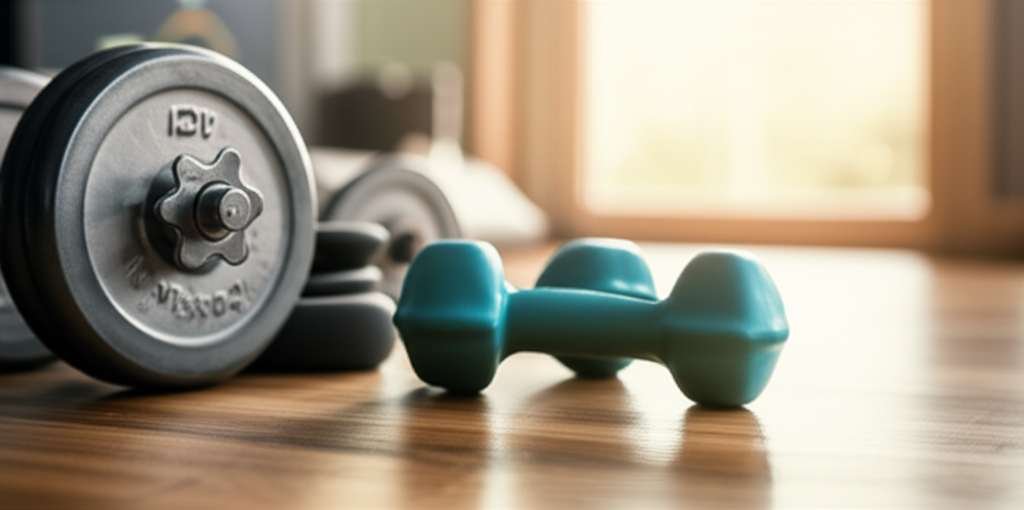
Build strength and boost your metabolism first thing in the morning with these 10 essential strength training workouts. Perfect for beginners, these routines are designed for quick, effective gains to kickstart your day and support your weight loss goals.
Are you looking to get stronger but find it tough to fit workouts into your busy day? Mornings can feel like a rush, making it hard to even think about exercise.
You might feel like you’re not seeing the results you want, or maybe you’re unsure where to start with strength training. It’s completely normal to feel a bit overwhelmed!
But what if I told you that starting your day with a short, effective strength workout could make a huge difference? It’s not about spending hours at the gym; it’s about smart, focused movement.
This guide will walk you through 10 simple yet powerful morning strength training workouts. We’ll break down exactly what to do, why it works, and how it can help you build muscle and boost your metabolism. Get ready to feel energized and empowered!

Why Morning Strength Training?
Starting your day with strength training offers a unique set of benefits, especially if you’re aiming for weight loss or just want to feel more capable in your body. It’s about setting a positive tone for your entire day.
Think of it as giving your body a wake-up call that lasts. Your muscles get to work early, signaling your metabolism to ramp up. This means you can burn more calories throughout the day, even when you’re not actively exercising.
Plus, accomplishing a workout before the day’s demands pile up can give you a fantastic sense of achievement. This early win can boost your mood and energy levels, making you feel more motivated and focused.
Key Benefits of Morning Strength Training
Boosted Metabolism: Strength training helps build lean muscle mass. More muscle means your body burns more calories at rest, which is great for weight management. Starting this process in the morning can have a ripple effect all day long.
Increased Energy Levels: Contrary to what you might think, exercise, especially in the morning, can actually increase your energy. It improves blood flow and oxygen circulation, helping you feel more alert and less sluggish.
Improved Mood and Focus: Physical activity releases endorphins, which are natural mood boosters. A morning workout can help reduce stress and anxiety, setting a positive tone for your day and improving your concentration.
Better Sleep Quality: Regular exercise, particularly in the morning, can help regulate your sleep-wake cycle. This can lead to deeper, more restful sleep at night, which is crucial for recovery and overall health.
Consistency: For many, mornings are the most predictable time to exercise before unexpected events or fatigue derail plans. Making it a habit in the morning increases your chances of sticking with it long-term.
Getting Started: Morning Strength Training for Beginners
Starting a new fitness routine can feel a little daunting, but it doesn’t have to be complicated. The key is to begin with simple movements and gradually increase the intensity or duration as you get stronger.
Focus on proper form over lifting heavy weights. This is crucial for preventing injuries and ensuring you’re working the right muscles effectively. Watch videos or even consider a session with a trainer to learn the basics.
Listen to your body. If something feels painful, stop. It’s okay to modify exercises or take rest days when needed. Consistency over time is more important than pushing too hard too soon.
Essential Tools for Your Morning Workouts
You don’t need a fancy gym to get a great strength workout in the morning. Many effective exercises can be done with minimal or no equipment.
Your Bodyweight: This is your most accessible tool! Exercises like squats, lunges, push-ups, and planks use your own body’s resistance to build strength.
Resistance Bands: These are affordable, portable, and incredibly versatile. They add resistance to many bodyweight exercises and can target specific muscle groups. You can find them online or at most sporting goods stores. A good set might include light, medium, and heavy resistance bands.
Dumbbells: If you have access to a pair of dumbbells, they open up a wide range of exercises. Start with a lighter set (e.g., 5-10 lbs or 2-5 kg) and focus on controlled movements.
A Yoga Mat: While not essential for all exercises, a mat provides cushioning and grip, making floor exercises like planks and crunches more comfortable.
10 Morning Strength Training Workouts: Essential Gains
Here are 10 beginner-friendly strength training workouts you can do in the morning. Each workout focuses on different muscle groups or movements, offering a balanced approach to building strength. Aim for 2-3 sets of 8-12 repetitions for most exercises, unless otherwise noted.
Workout 1: Full Body Beginner Blitz
This is a great all-around workout to get your whole body moving and build a solid foundation.
Bodyweight Squats: Stand with feet shoulder-width apart. Lower your hips as if sitting into a chair, keeping your chest up and back straight. Push through your heels to return to standing.
Push-ups (on knees or toes): Place hands slightly wider than shoulder-width apart. Lower your chest towards the floor, keeping your body in a straight line. Push back up. If regular push-ups are too hard, start on your knees.
Lunges (alternating legs): Step forward with one leg and lower your hips until both knees are bent at a 90-degree angle. Ensure your front knee stays behind your toes. Push off your front foot to return to the starting position and switch legs.
Plank: Hold your body in a straight line from head to heels, supported on your forearms and toes. Engage your core to prevent your hips from sagging or rising too high. Hold for 30-60 seconds.
Workout 2: Lower Body Power-Up
Focus on building strength in your legs and glutes, which are major calorie-burning muscles.
Glute Bridges: Lie on your back with knees bent and feet flat on the floor, hip-width apart. Lift your hips off the floor by squeezing your glutes, creating a straight line from your shoulders to your knees. Lower slowly.
Wall Sits: Lean your back against a wall and slide down until your knees are bent at a 90-degree angle, as if sitting in an invisible chair. Hold this position for 30-60 seconds.
Calf Raises: Stand with your feet flat on the floor. Rise up onto the balls of your feet, lifting your heels as high as possible. Lower slowly. You can hold onto a wall for balance.
Reverse Lunges: Step backward with one leg and lower your hips until both knees are bent at a 90-degree angle. Push off your back foot to return to the starting position and switch legs.
Workout 3: Upper Body Sculpt
Target your arms, shoulders, chest, and back for a balanced physique and improved posture.
Incline Push-ups: Place your hands on an elevated surface like a sturdy table, counter, or chair. Perform push-ups as usual, keeping your body in a straight line. This variation makes push-ups more accessible.
Dumbbell Rows (if you have dumbbells): Hinge at your hips, keeping your back straight, and let the dumbbells hang towards the floor. Pull the dumbbells up towards your chest, squeezing your shoulder blades together. Lower with control.
Overhead Press (with light dumbbells or resistance band): Stand or sit tall. Hold dumbbells at shoulder height, palms facing forward. Press the dumbbells straight overhead until your arms are fully extended. Lower slowly.
Triceps Dips (using a chair or sturdy surface): Sit on the edge of a chair with your hands gripping the edge next to your hips, fingers pointing forward. Slide your hips off the chair and lower your body by bending your elbows. Push back up to the starting position.
Workout 4: Core Crusher
A strong core is essential for overall stability, posture, and injury prevention.
Crunches: Lie on your back with knees bent and feet flat on the floor. Place hands behind your head or across your chest. Lift your head and shoulders off the floor, engaging your abdominal muscles. Lower slowly.
Bicycle Crunches: Lie on your back with knees bent and hands behind your head. Bring your right elbow towards your left knee while extending your right leg. Alternate sides in a pedaling motion.
Bird-Dog: Start on your hands and knees, with your hands directly under your shoulders and knees under your hips. Extend your right arm forward and your left leg backward simultaneously, keeping your core stable and back flat. Return to the start and switch sides.
Leg Raises: Lie on your back with legs extended. Keeping your lower back pressed into the floor, slowly lift your legs towards the ceiling until they are perpendicular to the floor. Lower slowly without letting your heels touch the ground.
Workout 5: Resistance Band Power
Resistance bands are fantastic for adding challenge to your workouts without heavy weights.
Band Squats: Place a resistance band around your thighs, just above your knees. Perform bodyweight squats, pushing your knees outward against the band to engage your glutes.
Band Chest Press: Loop a resistance band around a sturdy anchor point (like a door handle or pole) at chest height. Hold the ends of the band and step back to create tension. Press forward as if doing a chest press.
Band Pull-Aparts: Hold a resistance band with both hands, arms extended in front of you at shoulder height, palms facing down. Keeping your arms mostly straight, pull the band apart by squeezing your shoulder blades together. Return slowly.
Band Good Mornings: Stand on the band with feet shoulder-width apart and loop the other end around your neck. Hinge at your hips, keeping your back straight, and lower your torso until it’s nearly parallel to the floor. Squeeze your glutes and hamstrings to return to standing.
Workout 6: Dynamic Warm-Up and Strength Mix
This routine includes dynamic movements to warm you up and prepare your muscles for strength work.
Jumping Jacks: A great way to get your heart rate up and warm your entire body. Do for 60 seconds.
Arm Circles: Stand with arms extended to the sides. Make small circles forward for 30 seconds, then backward for 30 seconds.
Leg Swings (forward/backward and side-to-side): Stand tall and hold onto a wall for support. Swing one leg forward and backward 10-15 times, then swing it across your body and out to the side 10-15 times. Repeat on the other leg.
Bodyweight Squats: (As described in Workout 1)
Push-ups (on knees or toes): (As described in Workout 1)
Workout 7: Kettlebell Basics (If Available)
If you have a kettlebell, it’s a versatile tool for building functional strength. Start with a lighter weight (e.g., 10-20 lbs or 5-10 kg).
Kettlebell Swings: Stand with feet slightly wider than shoulder-width apart, kettlebell on the floor in front of you. Hinge at your hips, push your glutes back, and grab the kettlebell with both hands. With a flat back, drive your hips forward to swing the kettlebell up to chest or eye level. Let gravity bring it back down, hinging at your hips. Focus on hip drive, not arm strength. Perform 10-15 swings.
Goblet Squats: Hold one kettlebell with both hands against your chest. Stand with feet shoulder-width apart and perform a squat, keeping your chest up and back straight.
Kettlebell Deadlifts: Stand with feet hip-width apart, kettlebell on the floor between your feet. Hinge at your hips and bend your knees to grab the kettlebell with both hands. Keeping your back straight, drive through your heels to stand up, squeezing your glutes at the top. Lower the kettlebell with control.
Kettlebell Halos: Hold the kettlebell by the horns (handles). Keeping your core engaged, circle the kettlebell around your head, passing it from one hand to the other. Do 5-10 circles in each direction.
Workout 8: Travel-Friendly Bodyweight
Perfect for when you’re on the go and don’t have access to equipment.
Squat Jumps: Perform a bodyweight squat, then explosively jump upwards, extending your legs and arms. Land softly and immediately go into the next squat.
Walking Lunges: Take a large step forward into a lunge, then bring your back leg forward to meet your front leg, standing up. Immediately step forward with the other leg into a lunge.
Burpees (modified if needed): Start standing, drop into a squat, place hands on the floor, jump feet back into a plank, jump feet back to squat, and jump up. For a modification, step your feet back and forward instead of jumping.
Mountain Climbers: Start in a high plank position. Bring one knee towards your chest, then quickly switch legs, as if running in place. Perform for 30-60 seconds.
Workout 9: Strength and Stretching Combo
Combine strength exercises with dynamic stretches to improve flexibility and reduce stiffness.
Inchworms: Start standing, then bend at your hips and place your hands on the floor. Walk your hands forward into a plank position. Then, walk your feet forward towards your hands, keeping your legs as straight as possible. Return to standing.
World’s Greatest Stretch: From a plank position, bring your right foot outside your right hand. Lower your left knee to the ground. Reach your right arm up towards the ceiling, then bring your right elbow down towards your right ankle. Hold for a few breaths, then repeat on the other side.
Bodyweight Squats: (As described in Workout 1)
Push-ups (on knees or toes): (As described in Workout 1)
Workout 10: Quick Cardio and Strength Blast
This workout is designed to get your heart rate up and build strength in a short amount of time.
High Knees: March or run in place, bringing your knees up towards your chest. Perform for 60 seconds.
Bodyweight Squats: (As described in Workout 1)
Jumping Lunges: Start in a lunge position. Explosively jump and switch your legs in mid-air, landing in a lunge with the opposite leg forward. Perform for 30-60 seconds.
Plank Jacks: Start in a plank position. Jump your feet wide apart and then back together, like a jumping jack, but with your feet. Keep your core engaged to minimize hip movement. Perform for 30-60 seconds.
Structuring Your Morning Workouts
For beginners, it’s wise to start with 2-3 of these workouts per week, allowing at least one rest day in between. As you get fitter, you can increase the frequency or the number of sets and repetitions.
Warm-up: Always start with 5-10 minutes of light cardio (like jogging in place or jumping jacks) and dynamic stretching (like arm circles and leg swings).
Workout: Choose one of the workouts above and perform 2-3 sets of 8-12 repetitions for each exercise. Focus on controlled movements and good form.
Cool-down: Finish with 5 minutes of static stretching, holding each stretch for 20-30 seconds. This helps improve flexibility and aids muscle recovery.
Tracking Your Progress
Keeping a workout journal can be incredibly motivating. Note down the exercises you did, the number of sets and reps, and how you felt. This helps you see how far you’ve come and identify areas where you can improve.
You can also track changes in how your clothes fit, your energy levels, and your overall strength. For example, if you started with knee push-ups and can now do a few on your toes, that’s fantastic progress!
For more information on strength training and its benefits, the National Institute on Aging provides excellent resources on building and maintaining muscle strength.
Nutrition and Hydration for Morning Workouts
What you eat and drink before and after your morning workout plays a big role in your energy levels and recovery.
Hydration: Drink a glass of water before you start your workout. Staying hydrated is crucial for performance and overall health.
Pre-Workout Snack (Optional): If you feel hungry or need more energy, a small, easily digestible snack about 30-60 minutes before your workout can be beneficial. Think a banana, a small handful of almonds, or a slice of toast with a thin layer of jam.
Post-Workout Nutrition: After your workout, aim to consume a meal or snack that includes protein and carbohydrates to help your muscles recover and rebuild. This could be a protein shake, eggs, Greek yogurt, or a balanced meal.
Frequently Asked Questions About Morning Strength Training
Q1: How long should my morning workout be?
For beginners, 20-30 minutes is a great starting point. Focus on quality over quantity, ensuring you complete the exercises with proper form.
Q2: Do I need to eat before a morning workout?
It depends on the person and the intensity of the workout. Many people can work out on an empty stomach, especially for shorter durations. If you feel lightheaded or low on energy, a small, easily digestible snack like a banana 30-60 minutes beforehand can help.
Q3: What if I’m not a morning person?
It takes time to adjust! Try starting with just 10-15 minutes and gradually increase the duration. Lay out your workout clothes the night before to make it easier to get started. Consistency, even for short periods, builds the habit.
Q4: How often should I do strength training?
For beginners, aiming for 2-3 strength training sessions per week is a good target. Ensure you have at least one rest day between sessions to allow your muscles to recover and rebuild.
Q5: Can morning strength training help me lose weight?
Yes! Strength training builds muscle, which boosts your metabolism. This means you burn more calories throughout the day, even at rest. Combined with a healthy diet, it’s a powerful tool for weight loss.
Q6: What are the best exercises for beginners?
Bodyweight exercises like squats, lunges, push-ups (on knees or toes), planks, and glute bridges are excellent for beginners. They help build a solid foundation of strength and coordination.
Q7: How important is proper form?
Proper form is crucial! It helps prevent injuries and ensures you’re effectively targeting the intended muscles. It’s better to do fewer repetitions with correct form than many with poor form.
Conclusion: Your Morning Strength Journey Begins Now
Embarking on a morning strength training routine doesn’t require hours of dedication or expensive equipment. As we’ve explored, a few simple exercises done consistently can lead to significant gains in strength, energy, and overall well-being.
By incorporating these 10 beginner-friendly workouts into your morning, you’re setting yourself up for a more energetic, productive, and confident day. Remember to listen to your body, focus on proper form, and celebrate every small victory along the way.
Whether you choose the Full Body Blitz, the Lower Body Power-Up, or any of the other routines, the most important step is to start. Make these morning workouts a non-negotiable part of your self-care, and you’ll be well on your way to achieving your fitness goals and building a stronger, healthier you. Your journey to essential gains has never been more accessible!
As an Amazon Associate, We earn from qualifying purchases. When you purchase a product through Amazon links on pulsefitguide.com, we may earn a small commission at no extra cost to you. This helps support the site and keep our content free.