
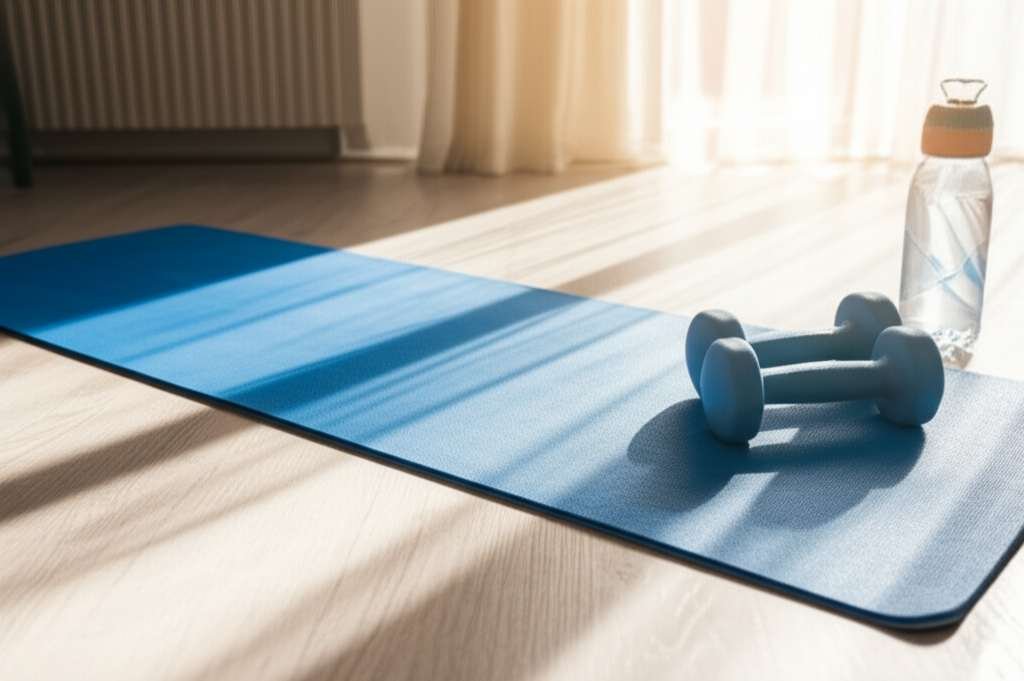
Ready to trim your waistline? These 10 morning home workouts are designed to target belly fat effectively, even for beginners. Get ready for simple, science-backed moves you can do right at home to kickstart your metabolism and see slimming results.
Feeling frustrated with stubborn belly fat? You’re not alone! Many of us struggle to find the time and the right exercises to tackle this common concern.
It can feel confusing with so much information out there. But don’t worry, we’re here to break it down into simple, easy-to-follow steps.
This guide will show you exactly which morning workouts can make a real difference, all from the comfort of your own home. Let’s get started on your journey to a slimmer, more confident you!
Why Morning Workouts Are Great for Belly Fat
Starting your day with exercise can be a game-changer for weight loss, especially when it comes to belly fat. Your body is often in a fasted state in the morning, meaning it might tap into fat stores for energy more readily.

Plus, an early workout can boost your metabolism for the entire day. Think of it as setting your body’s “fat-burning furnace” to high from the moment you wake up. This can lead to more calories burned throughout the day, even when you’re not actively exercising.
Morning workouts can also help you build consistency. Getting it done before the day’s distractions begin makes it more likely that you’ll stick with your fitness routine. This consistency is key for long-term results and reducing body fat.
The Science Behind Targeting Belly Fat
It’s important to understand that you can’t “spot reduce” fat – meaning you can’t choose to lose fat from just one area like your belly. Weight loss happens all over your body.
However, certain types of exercises can be particularly effective at burning calories and building muscle, which helps to overall reduce body fat, including around your midsection. Combining cardiovascular exercise with strength training is your best bet.
Cardio gets your heart pumping and burns calories. Strength training builds muscle, and more muscle means a higher resting metabolism. Even a short, intense workout can have a significant impact on your calorie expenditure and fat loss over time.
According to the American Heart Association, regular physical activity is crucial for cardiovascular health and weight management. Aiming for a mix of activities is recommended for overall well-being and effective fat loss.
Your 10 Morning Home Workouts for Belly Fat Slimming
Here are 10 effective workouts you can do at home in the morning to help reduce belly fat. We’ve chosen exercises that are beginner-friendly and require minimal or no equipment.
1. Jumping Jacks
Jumping jacks are a fantastic full-body cardio exercise that gets your heart rate up quickly. They are excellent for burning calories and warming up your body.
- How to do it: Start standing with your feet together and your arms at your sides.
- Jump your feet out wider than shoulder-width apart while simultaneously bringing your arms overhead.
- Jump back to the starting position.
- Target: Full body, cardio.
- Beginner tip: Start with 30 seconds on, 30 seconds rest, and gradually increase the duration or decrease the rest time.
2. High Knees
This cardio move intensifies your workout by engaging your core and leg muscles. It’s a great way to burn calories and improve your stamina.
- How to do it: Stand with your feet hip-width apart.
- Lift one knee towards your chest as high as you can, then quickly switch to the other leg, as if you’re running in place.
- Pump your arms to help with momentum.
- Target: Legs, core, cardio.
- Beginner tip: Focus on controlled movements if high impact is difficult. You can tap your foot down softly instead of driving the knee.
3. Burpees (Modified)
Burpees are a powerhouse exercise that works almost every muscle in your body. For beginners, a modified version is perfect to build strength and endurance.
- How to do it: Start standing. Squat down and place your hands on the floor.
- Step your feet back one at a time into a plank position.
- Step your feet back to your hands.
- Stand up.
- To add a jump, jump up at the end.
- Target: Full body, strength, cardio.
- Beginner tip: Focus on the stepping motion for both the back and front movement. Avoid the jump initially.
4. Plank
The plank is a foundational core exercise that strengthens your abdominal muscles, back, and shoulders. A strong core is essential for a flatter-looking stomach.
- How to do it: Start on your hands and knees.
- Extend your legs back so you’re balancing on your forearms and toes.
- Keep your body in a straight line from head to heels. Engage your core by pulling your belly button towards your spine.
- Target: Core, shoulders, back.
- Beginner tip: If a full plank is too hard, drop to your knees while keeping your body in a straight line from head to knees. Hold for 20-30 seconds.
5. Crunches
Crunches are a classic abdominal exercise that targets the rectus abdominis, the “six-pack” muscles. They are a great way to build strength in your upper abs.
- How to do it: Lie on your back with your knees bent and feet flat on the floor.
- Place your hands lightly behind your head or crossed over your chest.
- Exhale and gently lift your head and shoulders off the floor, engaging your abdominal muscles.
- Inhale as you slowly lower back down.
- Target: Upper abs.
- Beginner tip: Focus on using your abs to lift, not your neck. Don’t pull your head forward.
6. Bicycle Crunches
This dynamic core exercise targets your obliques (side abs) as well as your upper and lower abs, providing a more comprehensive abdominal workout.
- How to do it: Lie on your back with your knees bent and hands lightly behind your head.
- Lift your shoulders off the floor and bring your right elbow towards your left knee as you extend your right leg straight.
- Switch sides, bringing your left elbow towards your right knee while extending your left leg.
- Continue alternating in a pedaling motion.
- Target: Obliques, upper and lower abs.
- Beginner tip: Move slowly and focus on the twist in your torso. It’s more about control than speed.
7. Leg Raises
Leg raises are excellent for targeting the lower abdominal muscles, an area that can be particularly challenging to tone.
- How to do it: Lie on your back with your legs extended straight.
- Place your hands flat on the floor by your sides or slightly under your lower back for support.
- Keeping your legs as straight as possible, lift them towards the ceiling until they are perpendicular to the floor.
- Slowly lower your legs back down without letting them touch the floor.
- Target: Lower abs.
- Beginner tip: If keeping your legs straight is too difficult, bend your knees slightly. Ensure your lower back stays pressed into the floor.
8. Mountain Climbers
Mountain climbers are a fast-paced exercise that mimics rock climbing. They are fantastic for boosting your heart rate, burning calories, and engaging your core.
- How to do it: Start in a plank position with your hands directly under your shoulders.
- Bring your right knee towards your chest, then quickly switch legs, bringing your left knee towards your chest.
- Continue alternating legs in a running motion.
- Target: Core, legs, cardio.
- Beginner tip: Start with a slower pace and focus on keeping your hips as stable as possible.
9. Russian Twists
This exercise is specifically designed to work your obliques, helping to sculpt your waistline and improve rotational strength.
- How to do it: Sit on the floor with your knees bent and feet flat.
- Lean back slightly, keeping your back straight, until you feel your core engage.
- Clasp your hands together or hold a light weight (like a water bottle).
- Twist your torso from side to side, tapping your hands (or weight) to the floor on each side.
- Target: Obliques.
- Beginner tip: Keep your feet on the floor for stability. As you get stronger, you can lift your feet slightly off the ground.
10. Bird-Dog
The bird-dog is a great exercise for improving core stability and balance, while also engaging your glutes and back muscles. It’s a low-impact move that is excellent for beginners.
- How to do it: Start on your hands and knees, with your wrists directly under your shoulders and knees under your hips.
- Keep your back flat and core engaged.
- Extend your right arm straight forward and your left leg straight back simultaneously.
- Keep your hips level and avoid arching your back.
- Return to the starting position and repeat on the other side (left arm forward, right leg back).
- Target: Core stability, back, glutes.
- Beginner tip: Focus on slow, controlled movements. Don’t worry about reaching too far; stability is key.
Creating Your Morning Workout Routine
Now that you have your exercises, let’s put them into a routine. The key is to start simple and build up gradually. Consistency is more important than intensity when you’re just starting out.
Sample Beginner Routine (3 Days a Week)
Choose three non-consecutive days a week to start. This allows your body time to recover and adapt.
Workout Structure:
- Warm-up (5 minutes): Light cardio like marching in place, arm circles, and gentle torso twists.
- Workout Circuit (15-20 minutes): Perform each exercise for 30-45 seconds, followed by 15-20 seconds of rest. Complete 2-3 rounds of all exercises.
- Cool-down (5 minutes): Gentle stretching, holding each stretch for 20-30 seconds.
Exercise Order for Sample Routine:
- Jumping Jacks (or modified step-jacks)
- Modified Burpees
- Plank (on knees if needed)
- Crunches
- Mountain Climbers (slow pace)
- Bird-Dog
Progression for More Advanced Workouts
As you get stronger, you can increase the challenge. Here’s how:
- Increase duration: Hold planks longer, do more reps per exercise, or increase the work interval during circuit training.
- Decrease rest: Shorten the rest time between exercises or between rounds.
- Add rounds: Go from 2-3 rounds to 3-4 rounds of your circuit.
- Increase intensity: Perform exercises faster (while maintaining good form), or progress to the full version of exercises like burpees.
- Add resistance: Incorporate light weights for Russian twists or add resistance bands for some exercises.
Incorporating Other Factors for Slimming Success
While these workouts are excellent for targeting belly fat, remember that overall lifestyle plays a huge role. Nutrition and sleep are your allies!
Nutrition Tips for a Flatter Stomach
Diet is often said to be 80% of the battle for weight loss. Focusing on nutrient-dense foods can make a significant difference in reducing body fat.
- Prioritize Protein: Protein helps you feel full longer and supports muscle growth. Include lean sources like chicken, fish, beans, and tofu in your meals.
- Load up on Fiber: Fiber-rich foods like vegetables, fruits, and whole grains aid digestion and satiety. They can help reduce bloating and keep you feeling satisfied.
- Healthy Fats: Don’t fear fats! Avocados, nuts, seeds, and olive oil are important for hormone balance and can help with fullness.
- Limit Processed Foods and Sugary Drinks: These often contribute to excess calorie intake and inflammation, which can hinder fat loss.
- Stay Hydrated: Drinking plenty of water can boost metabolism and help with feelings of fullness.
Consider looking into resources from reputable organizations like the National Institute on Aging for general healthy eating guidelines that apply to all ages.
The Importance of Sleep
Believe it or not, getting enough quality sleep is crucial for weight management. Lack of sleep can disrupt hormones that control appetite, leading to increased cravings for unhealthy foods.
- Aim for 7-9 hours of quality sleep per night.
- Establish a regular sleep schedule, going to bed and waking up around the same time each day.
- Create a relaxing bedtime routine to help your body wind down.
Poor sleep can increase cortisol levels, a stress hormone that has been linked to increased abdominal fat storage. So, prioritize those Zzz’s!
Stress Management
Chronic stress can also lead to higher cortisol levels and increased belly fat. Finding healthy ways to manage stress is beneficial for both your mental and physical health.
- Practice mindfulness or meditation.
- Spend time in nature.
- Engage in hobbies you enjoy.
- Deep breathing exercises can be done anytime, anywhere.
Frequently Asked Questions (FAQ)
Q1: How long does it take to see results from these workouts?
A1: Results vary from person to person and depend on consistency, diet, and individual metabolism. Many people start noticing changes in how their clothes fit and a general feeling of increased fitness within 2-4 weeks. Visible reduction in belly fat typically takes longer, often several months of consistent effort.
Q2: Do I need any equipment for these workouts?
A2: No, most of these exercises require no equipment and can be done using just your body weight. You can optionally use a yoga mat for comfort and a water bottle or light dumbbell for some variations later on.
Q3: What if I can’t do a full plank or burpee?
A3: That’s perfectly normal when you’re starting! The article provides beginner modifications for exercises like planks (on knees) and burpees (stepping instead of jumping). Focus on mastering the modified version first, and gradually work your way up as your strength improves.
Q4: Can I do these workouts every day?
A4: It’s generally recommended to allow your body rest days, especially when starting. Aim for 3-5 days a week, focusing on consistency rather than daily intense workouts. This allows for muscle recovery and prevents burnout.
Q5: Is it better to do cardio or strength exercises for belly fat?
A5: A combination of both is most effective. Cardio exercises like jumping jacks and mountain climbers burn calories quickly, while strength exercises like planks and crunches build muscle. More muscle mass helps increase your resting metabolism, meaning you burn more calories even at rest.
Q6: How important is my diet if I’m working out?
A6: Diet is incredibly important, often more so than exercise alone when it comes to fat loss. While workouts help burn calories and build muscle, your nutrition determines your overall calorie intake and provides the building blocks for your body. A healthy diet supports your fitness efforts and is crucial for seeing slimming results.
Q7: I feel sore after my workouts. Is this normal?
A7: Yes, some muscle soreness (Delayed Onset Muscle Soreness, or DOMS) is normal, especially when you’re new to exercise or trying new moves. It’s a sign your muscles are adapting. Ensure you’re warming up before and stretching after, staying hydrated, and getting enough rest. If pain is sharp or persistent, consult a healthcare professional.
Conclusion
Embarking on a journey to reduce belly fat doesn’t have to be complicated or expensive. By incorporating these 10 simple morning home workouts into your routine, you’re taking a powerful step towards your fitness goals.
Remember, consistency is your best friend. Start small, celebrate your progress, and don’t get discouraged by occasional setbacks. Combine these effective exercises with mindful eating, adequate sleep, and stress management, and you’ll be well on your way to a slimmer, healthier, and more confident you.
Your body is capable of amazing things. Believe in yourself, stay committed, and enjoy the journey to a stronger, leaner physique!
As an Amazon Associate, We earn from qualifying purchases. When you purchase a product through Amazon links on pulsefitguide.com, we may earn a small commission at no extra cost to you. This helps support the site and keep our content free.