

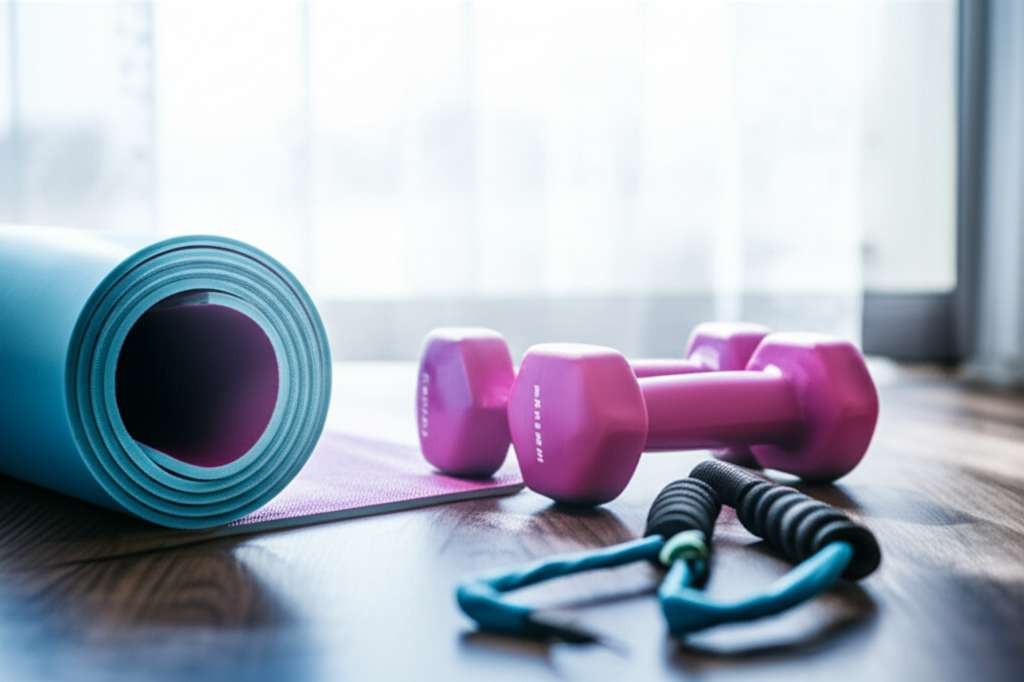
Can you lose weight with fatty liver using home workouts? Yes! A combination of simple home exercises and a healthy lifestyle can significantly help manage fatty liver by promoting weight loss and improving overall health. This guide provides 10 effective workouts you can do at home to start your journey.
Feeling a bit confused about fatty liver and how to tackle it? You’re not alone! Many people find managing health conditions, especially when it involves weight, a bit overwhelming. It’s easy to feel stuck, wondering where to even begin.
But here’s the good news: taking control of your health, including addressing fatty liver through weight loss, is totally achievable, especially with simple, practical steps you can do right from your own home. You don’t need fancy equipment or a gym membership to make a real difference.
This guide is designed to break it all down for you. We’ll walk through 10 effective home workouts specifically chosen to help with weight loss, which is key for managing fatty liver. Get ready to feel more confident and empowered on your health journey!
Understanding Fatty Liver and Weight Loss
Fatty liver, also known as hepatic steatosis, is a condition where there’s an excess buildup of fat in the liver. While it can have several causes, a common contributing factor, especially in non-alcoholic fatty liver disease (NAFLD), is being overweight or obese. The liver plays a crucial role in processing fats, but when it becomes overwhelmed with fat, its function can be impaired.
The most effective way to manage and often reverse fatty liver disease, particularly NAFLD, is through lifestyle changes. Central to these changes is weight loss. Losing even a modest amount of weight—around 5-10% of your body weight—can significantly reduce the fat in your liver and improve liver function. This is why focusing on healthy weight loss strategies is so important.
This doesn’t mean drastic diets or exhausting workout routines. It’s about finding sustainable habits that fit into your life. Home workouts are a fantastic starting point because they are accessible, affordable, and can be tailored to your fitness level. They help burn calories, build muscle, and boost your metabolism, all of which contribute to shedding those extra pounds and supporting your liver health.
Why Home Workouts Are Great for Fatty Liver Weight Loss
Home workouts offer a convenient and comfortable way to get started with an exercise routine. You can work out on your own schedule, without the pressure or expense of a gym. This flexibility makes it easier to stick with a program long-term.
For beginners, home workouts are often less intimidating. You can learn the movements at your own pace, in a private space. This builds confidence and reduces the barrier to entry for physical activity, which is crucial when you’re starting a new health journey.
Furthermore, many effective exercises require no equipment at all. Bodyweight exercises use your own body as resistance, making them highly accessible. They can be modified to become easier or harder, ensuring you’re always challenging yourself safely and effectively. This adaptability is key for consistent progress.
Regular physical activity also has direct benefits for liver health beyond weight loss. Exercise can improve insulin sensitivity, which is often a problem in people with fatty liver. It also helps reduce inflammation and can improve cholesterol levels, further supporting your overall well-being.
10 Essential Home Workouts for Fatty Liver Weight Loss
Here are 10 effective home workouts you can start today to aid in weight loss and support your liver health. Remember to listen to your body and consult with a healthcare provider before starting any new exercise program, especially if you have a pre-existing health condition.
1. Brisk Walking (Indoors or Outdoors)
Brisk walking is a fantastic cardiovascular exercise that burns calories and improves heart health. It’s low-impact, making it accessible for most people. Aim for a pace where you can talk but not sing. If you can’t go outside, walking in place or walking laps around your home can be just as effective.
- How to do it: Maintain good posture, swing your arms, and aim for a steady, energetic pace for at least 30 minutes.
- Benefits: Burns calories, improves cardiovascular fitness, reduces stress, accessible for all fitness levels.
- Frequency: Aim for 5 days a week.
2. Jumping Jacks
Jumping jacks are a classic full-body exercise that gets your heart rate up quickly. They are excellent for burning calories and improving endurance. This is a great way to get a quick cardio burst without any equipment.
- How to do it: Start with your feet together and arms at your sides. Jump, spreading your feet wider than shoulder-width apart while bringing your arms overhead. Jump again to return to the starting position.
- Benefits: Excellent cardio, full-body engagement, improves coordination, can be done anywhere.
- Frequency: Perform in intervals, for example, 30 seconds on, 30 seconds rest, for 5-10 minutes.
3. High Knees
High knees are another dynamic cardio exercise that targets your legs and core. By bringing your knees up towards your chest, you increase your heart rate and engage your abdominal muscles, contributing to calorie burn and core strength.
- How to do it: Stand tall and begin to run in place, bringing your knees up as high as possible towards your chest. Pump your arms along with your legs for maximum effect.
- Benefits: Boosts heart rate, strengthens core, improves leg strength and agility, burns significant calories.
- Frequency: Perform in intervals, similar to jumping jacks, for 5-10 minutes.
4. Squats
Squats are a fundamental strength training exercise that works your lower body (quadriceps, hamstrings, glutes) and core. Building muscle mass helps boost your metabolism, meaning you burn more calories even at rest, which is crucial for weight loss.
- How to do it: Stand with your feet shoulder-width apart. Lower your hips as if sitting back into a chair, keeping your chest up and back straight. Ensure your knees don’t go past your toes. Return to the starting position.
- Benefits: Builds lower body strength, increases metabolism, improves posture, strengthens core.
- Reps/Sets: Aim for 3 sets of 10-15 repetitions.
5. Lunges
Lunges are excellent for targeting your legs and glutes individually, helping to build strength and balance. They also engage your core for stability. Alternating lunges provide a comprehensive workout for your lower body.
- How to do it: Step forward with one leg and lower your hips until both knees are bent at approximately a 90-degree angle. Your front knee should be directly above your ankle, and your back knee should hover just off the floor. Push off your front foot to return to the starting position. Alternate legs.
- Benefits: Strengthens legs and glutes, improves balance and coordination, works one leg at a time for targeted muscle development.
- Reps/Sets: Aim for 3 sets of 10-12 repetitions per leg.
6. Push-Ups
Push-ups are a great upper-body exercise that works your chest, shoulders, triceps, and core. They are a challenging but highly effective way to build upper body strength and can be modified for beginners.
- How to do it: Start in a plank position with your hands slightly wider than shoulder-width apart. Lower your body until your chest nearly touches the floor, keeping your body in a straight line. Push back up to the starting position. For an easier version, perform push-ups on your knees.
- Benefits: Builds upper body and core strength, improves posture, highly functional exercise.
- Reps/Sets: Aim for 3 sets of as many repetitions as you can do with good form (AMRAP).
7. Plank
The plank is a foundational core exercise that strengthens your abdominal muscles, back, and shoulders. A strong core is vital for overall stability and can help improve posture and reduce the risk of back pain, supporting a more active lifestyle.
- How to do it: Lie face down on the floor and prop yourself up on your forearms and toes. Keep your body in a straight line from head to heels, engaging your core and glutes. Avoid letting your hips sag or rise too high.
- Benefits: Strengthens core muscles (abs, back, obliques), improves posture, increases stability.
- Duration: Hold for 30-60 seconds, rest, and repeat for 3 sets.
8. Crunches
Crunches are a targeted exercise for the abdominal muscles, helping to strengthen the rectus abdominis. While they don’t directly burn belly fat, strengthening the core muscles contributes to a more toned appearance and better posture as you lose overall body weight.
- How to do it: Lie on your back with your knees bent and feet flat on the floor. Place your hands lightly behind your head or across your chest. Engage your abdominal muscles to lift your head and shoulders off the floor. Lower back down slowly.
- Benefits: Targets abdominal muscles, strengthens core, improves posture.
- Reps/Sets: Aim for 3 sets of 15-20 repetitions.
9. Burpees
Burpees are a high-intensity, full-body exercise that combines a squat, a plank, a push-up, and a jump. They are incredibly effective for burning calories and improving cardiovascular fitness in a short amount of time. They are a fantastic way to challenge your body.
- How to do it: Start in a standing position. Drop into a squat, place your hands on the floor, and jump your feet back into a plank. Perform a push-up (optional for beginners). Jump your feet back towards your hands, then jump up explosively, reaching your arms overhead.
- Benefits: Full-body conditioning, high calorie burn, improves cardiovascular endurance and strength, requires no equipment.
- Reps/Sets: Start with 3 sets of 5-8 repetitions, focusing on form.
10. Yoga (Beginner Flow)
Yoga offers a holistic approach to fitness, combining physical postures, breathing techniques, and meditation. For weight loss and fatty liver management, yoga can help reduce stress (which can impact liver health), improve flexibility, build lean muscle, and promote mindful eating habits. Many beginner-friendly routines can be found online.
- How to do it: Find a beginner-friendly yoga routine online or via an app. Focus on poses that promote core strength, flexibility, and relaxation. Examples include Downward-Facing Dog, Cat-Cow Pose, Warrior poses, and Child’s Pose.
- Benefits: Improves flexibility, strength, and balance; reduces stress and anxiety; promotes mindfulness; can aid digestion and metabolism.
- Frequency: Aim for 2-3 times a week.
Structuring Your Home Workout Routine
Consistency is key when it comes to weight loss and managing fatty liver. Here’s how you can structure your home workout routine to maximize results and make it sustainable:
Warm-Up (5-10 minutes)
Always start with a warm-up to prepare your muscles and reduce the risk of injury. This could include light cardio like marching in place, arm circles, leg swings, and gentle dynamic stretches.
Workout Session (20-40 minutes)
Choose 3-5 exercises from the list above for each session. You can alternate between cardio-focused days and strength-focused days, or combine them in a circuit style. For example:
- Circuit 1 (Cardio Focus): Jumping Jacks, High Knees, Burpees, Brisk Walking.
- Circuit 2 (Strength Focus): Squats, Lunges, Push-Ups, Plank.
Perform each exercise for a set amount of time or repetitions, followed by a short rest. Repeat the circuit 2-3 times.
Cool-Down (5-10 minutes)
Finish your workout with a cool-down to help your body recover. This includes static stretching, holding each stretch for 20-30 seconds. Focus on the major muscle groups you worked.
Integrating Nutrition for Fatty Liver Weight Loss
While exercise is crucial, nutrition plays an equally vital role in managing fatty liver and achieving weight loss. Focus on a balanced diet rich in fruits, vegetables, lean proteins, and whole grains. Limiting processed foods, sugary drinks, and unhealthy fats is essential.
A diet low in saturated and trans fats, and rich in fiber, can help improve liver health. Consider incorporating more foods known to support liver function, such as:
- Leafy Greens: Spinach, kale, and arugula are packed with antioxidants.
- Cruciferous Vegetables: Broccoli, cauliflower, and Brussels sprouts help with detoxification.
- Fatty Fish: Salmon, mackerel, and sardines are rich in omega-3 fatty acids, which can reduce liver fat.
- Nuts and Seeds: Walnuts, flaxseeds, and chia seeds provide healthy fats and fiber.
- Olive Oil: A healthy fat that can improve liver enzyme levels.
It’s also important to stay well-hydrated by drinking plenty of water throughout the day. Reducing alcohol intake is paramount for liver health. For personalized dietary advice, consulting a registered dietitian or nutritionist is highly recommended.
The National Institute of Diabetes and Digestive and Kidney Diseases (NIDDK) provides comprehensive information on fatty liver disease, including lifestyle management strategies.
Tracking Your Progress
Keeping track of your progress can be a powerful motivator. This doesn’t just mean stepping on the scale. Consider these methods:
- Workout Journal: Note down the exercises you did, the number of reps/sets, and how you felt.
- Measurements: Take measurements of your waist, hips, and other areas periodically.
- How Clothes Fit: Often, clothes will fit better even before the scale shows significant changes.
- Energy Levels: Notice improvements in your stamina and overall energy throughout the day.
- Fitness Milestones: Celebrate small victories, like being able to do more push-ups or hold a plank for longer.
Regular check-ins with your healthcare provider are also essential to monitor your liver health markers and overall progress.
Making It Sustainable
The key to long-term success is making your workout routine a habit, not a chore. Here are some tips:
- Start Small: Don’t try to do too much too soon. Gradually increase the intensity and duration of your workouts.
- Find Activities You Enjoy: If you dread a particular exercise, swap it for something else you find more engaging.
- Schedule Your Workouts: Treat your exercise sessions like important appointments.
- Find a Buddy: Exercising with a friend or family member can provide accountability and make it more fun.
- Be Patient and Kind to Yourself: Weight loss and health improvements take time. There will be good days and challenging days. Focus on progress, not perfection.
Remember that managing fatty liver is a journey. These home workouts are a powerful tool to help you achieve weight loss and improve your health.
Frequently Asked Questions (FAQ)
Q1: How often should I do these home workouts for fatty liver weight loss?
Aim for at least 150 minutes of moderate-intensity aerobic activity or 75 minutes of vigorous-intensity activity per week, spread throughout the week. Incorporating strength training exercises 2-3 times a week is also beneficial. For fatty liver, consistency is key.
Q2: Do I need any special equipment for these workouts?
No, most of these workouts are bodyweight exercises and require no special equipment. You might find a yoga mat helpful for comfort, but it’s not essential. As you progress, you might consider resistance bands or light dumbbells.
Q3: What if I’m very overweight and find these exercises too difficult?
Start with modified versions. For example, do knee push-ups instead of regular ones, or perform squats with chair support. Brisk walking is an excellent low-impact starting point. Focus on consistency and gradually increase the intensity as your fitness improves. Listen to your body and don’t push through pain.
Q4: How quickly can I expect to see results from home workouts for fatty liver weight loss?
Results vary depending on individual factors like consistency, diet, and starting weight. However, many people start noticing improvements in energy levels and how their clothes fit within a few weeks. Significant weight loss and impact on liver health markers typically take a few months of consistent effort with both exercise and diet.
Q5: Can I do these workouts if I have other health issues?
It’s crucial to consult your doctor or a physical therapist before starting any new exercise program, especially if you have underlying health conditions like fatty liver disease, heart problems, or joint issues. They can help tailor a safe and effective plan for you.
Q6: How important is diet compared to exercise for fatty liver weight loss?
Both diet and exercise are critically important and work synergistically. While exercise helps burn calories and build muscle, diet is often considered the primary driver for weight loss and reducing liver fat. A healthy diet can improve liver function significantly, and combining it with exercise amplifies these benefits.
Q7: How long should each workout session be?
Aim for workout sessions that are typically between 30 to 45 minutes, including warm-up and cool-down. If you’re short on time, even 15-20 minutes of focused activity can make a difference. The key is regularity.
Conclusion
Embarking on a journey to manage fatty liver through weight loss can feel like a big step, but it’s incredibly rewarding. The 10 home workouts we’ve explored are designed to be accessible, effective, and sustainable, even for beginners. By incorporating regular physical activity into your routine, you’re not just working towards a healthier weight; you’re actively supporting your liver’s function and improving your overall well-being.
Remember, consistency is more important than intensity when you’re starting out. Combine these exercises with a balanced, nutrient-rich diet, and you’ll be well on your way to positive changes. Celebrate every small victory, listen to your body, and don’t hesitate to seek guidance from healthcare professionals. You have the power to make a real difference in your health, right from the comfort of your home.
As an Amazon Associate, We earn from qualifying purchases. When you purchase a product through Amazon links on pulsefitguide.com, we may earn a small commission at no extra cost to you. This helps support the site and keep our content free.