
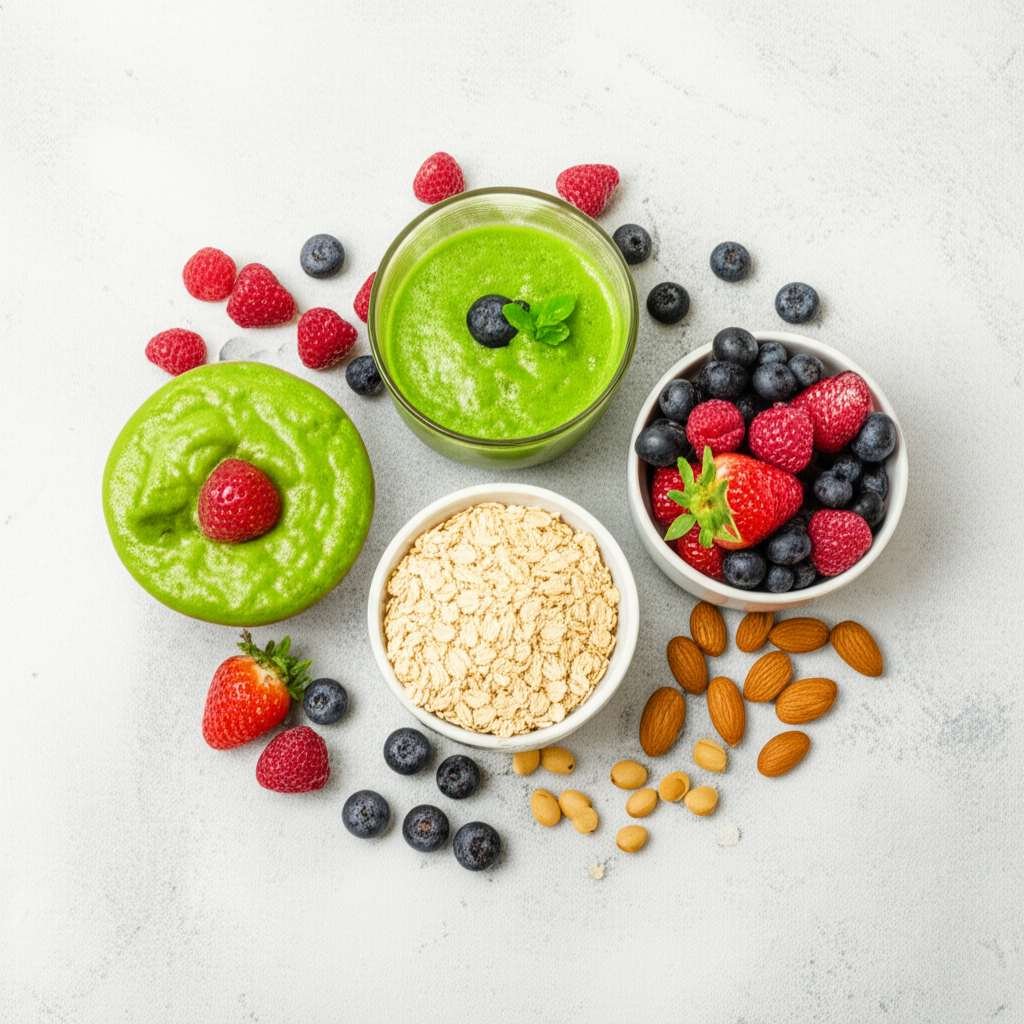
10 Daily Habits For Fatty Liver Weight Loss: Essential Strategies for a Healthier You
Losing weight with fatty liver can feel tricky, but it doesn’t have to be complicated. This guide breaks down essential daily habits into simple steps. You’ll learn practical, science-backed ways to support your liver and shed extra pounds.
We’ll focus on easy changes you can make right away. These habits are designed to be sustainable and fit into your busy life. Get ready to feel more energetic and in control of your health journey.
Understanding Fatty Liver and Weight Loss
Fatty liver, also known as non-alcoholic fatty liver disease (NAFLD), happens when too much fat builds up in your liver. This condition is often linked to lifestyle factors like diet and weight. When your liver is overloaded with fat, it can affect its ability to function properly, including its role in metabolism and weight management.
Weight loss is a cornerstone for managing fatty liver. Shedding even a small amount of weight can significantly reduce liver fat and improve liver health. However, the process can seem overwhelming, especially when you’re just starting. It’s important to remember that gradual, consistent changes are key.
This guide is here to simplify that journey. We’ll explore 10 daily habits that are not only effective for weight loss but also specifically beneficial for supporting your liver’s health. Think of these as your daily toolkit for a healthier you.
1. Hydrate Smartly: The Power of Water

Water is your body’s best friend, especially when it comes to liver health and weight loss. Staying hydrated helps your body flush out toxins and keeps your metabolism running smoothly. It can also help you feel fuller, which can reduce overall calorie intake.
Aim to drink plenty of water throughout the day. Before meals, a glass of water can help curb your appetite. Carrying a reusable water bottle is a great reminder to sip consistently. Try to avoid sugary drinks, as they can contribute to fat buildup in the liver and hinder weight loss efforts.
For a little boost, infused water with lemon, cucumber, or mint can make staying hydrated more enjoyable. This simple habit has a big impact on both your liver and your weight loss goals.
2. Move Your Body Daily: Gentle Exercise
Regular physical activity is crucial for burning calories and improving insulin sensitivity, both vital for fatty liver weight loss. You don’t need to become a marathon runner overnight. Gentle, consistent movement is the goal.
Start with activities you enjoy. Brisk walking is an excellent option for beginners. Aim for at least 30 minutes most days of the week. This could be a morning walk, a lunchtime stroll, or an evening session.
Incorporate activities like swimming, cycling, or even dancing. The key is to find something that makes you feel good and that you can stick with. Exercise helps your body use fat for energy and reduces the fat stored in your liver.
3. Prioritize Whole Foods: Fueling Your Liver
What you eat directly impacts your liver. Focusing on whole, unprocessed foods provides the nutrients your body needs without overloading it with unhealthy fats, sugars, and artificial ingredients. These foods are packed with fiber, vitamins, and minerals that support liver function and aid weight loss.
Build your meals around vegetables, fruits, lean proteins, and whole grains. Think colorful salads, baked chicken or fish, and oatmeal. These choices are nutrient-dense and help you feel satisfied.
Limit your intake of processed foods, fried items, and sugary snacks. These often contain unhealthy fats and empty calories that can worsen fatty liver and make weight loss much harder. Making whole foods your go-to choice is a powerful step.
4. Portion Control: Mindful Eating Habits
Even healthy foods can lead to weight gain if eaten in excess. Practicing portion control is a simple yet effective strategy for managing calorie intake and supporting fatty liver weight loss. It’s about being mindful of how much you’re eating, not necessarily about restricting specific foods.
Use smaller plates and bowls. This visual trick can make a standard portion appear larger, helping you feel satisfied with less food. Pay attention to serving sizes on food labels.
Eat slowly and savor each bite. This allows your brain time to register that you’re full, preventing overeating. Listening to your body’s hunger and fullness cues is a vital part of mindful eating.
5. Embrace Healthy Fats: Good for Your Liver
Fats aren’t all bad! In fact, certain types of healthy fats are essential for overall health and can even benefit your liver. These fats help reduce inflammation and support your body’s natural processes.
Incorporate sources like avocados, nuts, seeds, and olive oil into your diet. These are rich in monounsaturated and polyunsaturated fats. They can help improve cholesterol levels and contribute to a feeling of fullness, aiding weight loss.
It’s important to consume these in moderation, as they are still calorie-dense. The key is to choose these healthy fats over saturated and trans fats, which can contribute to fatty liver disease.
6. Limit Added Sugars: A Sweet Trap
Added sugars are a major culprit behind fatty liver disease and weight gain. Your liver processes fructose, and when consumed in excess, it can be converted into fat, leading to liver accumulation. Cutting back on these “empty calories” is crucial.
Be mindful of hidden sugars in beverages like soda, fruit juices, and sweetened coffees. Also, check labels on processed foods, yogurts, and cereals, as sugar is often added to them.
Opt for natural sweetness from whole fruits instead. If you crave something sweet, a piece of fruit is a much healthier choice. Reducing added sugar intake can significantly improve liver health and support your weight loss efforts.
7. Get Enough Quality Sleep: Rest and Repair
Sleep is not just about resting; it’s a critical time for your body to repair and regulate. Poor sleep can disrupt hormones that control appetite, leading to increased cravings and weight gain, and can negatively impact liver function.
Aim for 7-9 hours of quality sleep each night. Establish a regular sleep schedule, going to bed and waking up around the same time each day, even on weekends.
Create a relaxing bedtime routine. This might include reading, taking a warm bath, or gentle stretching. Ensure your bedroom is dark, quiet, and cool to optimize sleep conditions. Good sleep is foundational for successful weight loss and a healthy liver.
8. Manage Stress Effectively: Calm Your Body
Chronic stress can lead to increased cortisol levels, which can promote fat storage, particularly around the abdomen, and can exacerbate inflammation in the liver. Finding healthy ways to manage stress is vital for both your mental and physical well-being.
Explore stress-reducing techniques that work for you. This could include deep breathing exercises, meditation, yoga, or spending time in nature. Even short breaks throughout the day to practice mindfulness can make a difference.
Engaging in hobbies you enjoy or spending time with loved ones can also help alleviate stress. Prioritizing stress management is an often-overlooked but essential habit for fatty liver weight loss.
9. Stay Consistent with Meals: Routine for Your Liver
Eating meals at regular intervals helps regulate your metabolism and can prevent overeating. Skipping meals or eating erratically can confuse your body’s hunger signals and lead to unhealthy food choices later in the day.
Try to eat three balanced meals a day, along with optional healthy snacks if needed. This consistent schedule helps your body anticipate fuel and manage blood sugar levels more effectively.
Planning your meals ahead of time can ensure you have healthy options readily available. This habit supports stable energy levels and aids in making better food choices throughout the day, benefiting both your weight and your liver.
10. Seek Support and Stay Informed
You don’t have to go through this alone. Having a support system and staying informed about fatty liver and weight loss strategies can make a huge difference in your journey.
Talk to your doctor about your fatty liver diagnosis and weight loss goals. They can provide personalized advice and monitor your progress. Consider joining a support group, either online or in person, to connect with others facing similar challenges.
Educate yourself from reliable sources. Understanding the “why” behind these habits can boost your motivation. Resources like the National Institute of Diabetes and Digestive and Kidney Diseases (NIDDK) offer valuable information on liver health and obesity.
Putting It All Together: A Sample Daily Plan
Here’s a sample of how you might integrate these habits into your day. Remember, this is a flexible guide, and you should adapt it to your personal needs and preferences.
| Time | Habit Integration | Notes |
|---|---|---|
| Morning (Upon Waking) | Hydrate Smartly | Drink a large glass of water. |
| Breakfast | Prioritize Whole Foods, Portion Control | Oatmeal with berries and nuts. (Small portion). |
| Mid-Morning | Hydrate Smartly, Manage Stress | Water break, 5 minutes of deep breathing. |
| Lunch | Prioritize Whole Foods, Portion Control, Healthy Fats | Large salad with grilled chicken and avocado. |
| Afternoon | Move Your Body | 30-minute brisk walk. |
| Dinner | Prioritize Whole Foods, Portion Control, Limit Added Sugars | Baked salmon with roasted vegetables. (Small portion). |
| Evening | Get Quality Sleep, Manage Stress | Relaxing routine, aim for 7-9 hours of sleep. |
This structured approach helps ensure you’re consistently applying these beneficial habits. The key is to build a routine that feels manageable and enjoyable for you.
Frequently Asked Questions (FAQ)
What is the fastest way to lose weight with fatty liver?
The “fastest” way isn’t always the healthiest or most sustainable. For fatty liver, gradual weight loss through consistent healthy habits is most effective. Focus on a balanced diet, regular exercise, and lifestyle changes rather than crash diets, which can be detrimental to your liver.
Can I reverse fatty liver through weight loss?
Yes, in many cases, fatty liver disease can be reversed or significantly improved with weight loss and lifestyle modifications. Reducing liver fat can help restore normal liver function. It’s always best to discuss this with your healthcare provider.
How much weight do I need to lose for fatty liver improvement?
Even a modest weight loss of 5-10% of your body weight can lead to significant improvements in liver fat and inflammation. For example, if you weigh 200 pounds, losing 10-20 pounds can make a noticeable difference. Consistent, sustainable weight loss is key.
Are there specific foods I should avoid with fatty liver?
Yes, it’s highly recommended to limit or avoid foods high in added sugars (like sodas and candy), refined carbohydrates (white bread, pastries), unhealthy saturated and trans fats (fried foods, processed meats), and excessive alcohol. Focusing on whole, unprocessed foods is beneficial.
How important is exercise for fatty liver weight loss?
Exercise is extremely important. It helps burn calories, reduce overall body fat, improve insulin sensitivity, and directly reduce liver fat. Aim for a combination of aerobic exercise and strength training for the best results.
Can I still have fatty liver if I’m not overweight?
Yes, it’s possible to have non-alcoholic fatty liver disease even if you are not overweight or obese. This is sometimes referred to as “lean NAFLD.” Factors like genetics, diet, and metabolic health play a role. However, weight loss remains a primary strategy for those who are overweight.
How long does it take to see results from these habits?
Results vary from person to person. You might start feeling more energetic within a few weeks. Visible weight loss and significant improvements in liver markers typically take a few months of consistent effort. Patience and persistence are vital for long-term success.
Conclusion
Embarking on a journey to lose weight with fatty liver is a powerful step towards better health. By integrating these 10 daily habits – from staying hydrated and moving your body to prioritizing whole foods and managing stress – you’re building a strong foundation for success. Remember, consistency is more important than perfection.
These strategies are designed to be achievable and sustainable, making them ideal for beginners. Celebrate your progress, no matter how small, and be patient with yourself. With dedication and the right approach, you can effectively support your liver health and reach your weight loss goals.
Don’t hesitate to seek support from healthcare professionals and loved ones. You have the power to make positive changes that will benefit your health for years to come. Start today, one habit at a time, and embrace the journey to a healthier, happier you.
As an Amazon Associate, We earn from qualifying purchases. When you purchase a product through Amazon links on pulsefitguide.com, we may earn a small commission at no extra cost to you. This helps support the site and keep our content free.