
Quick Summary:
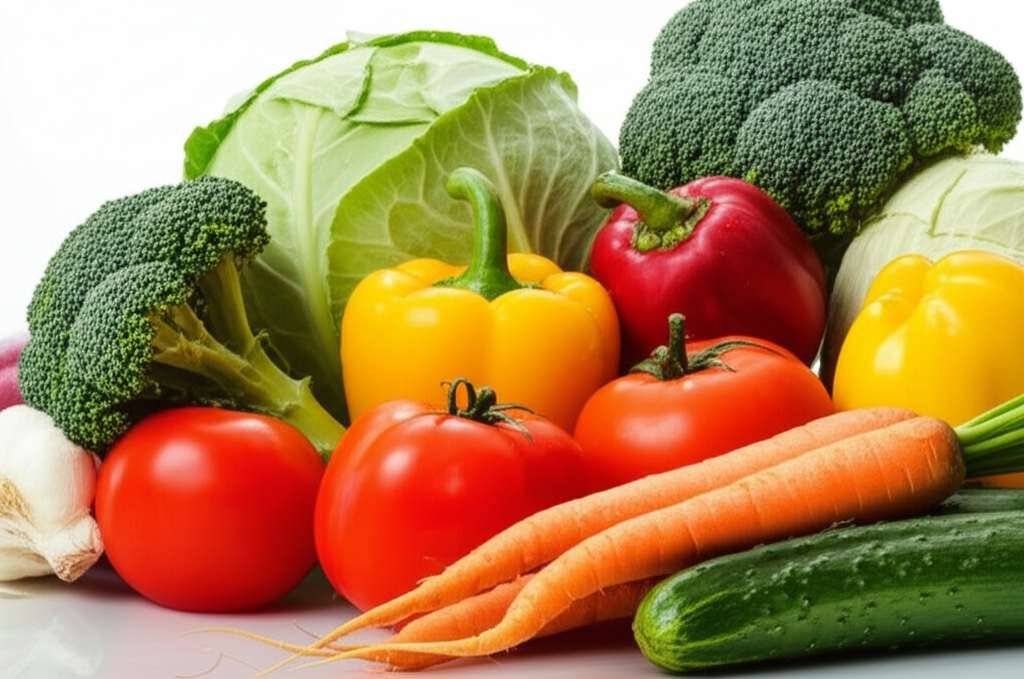
Focus on nutrient-dense, low-calorie vegetables like leafy greens, cruciferous veggies, and root vegetables to support fatty liver weight loss. These foods aid digestion, reduce inflammation, and help you feel full, making weight management easier and healthier.
Dealing with fatty liver can feel overwhelming, especially when you’re trying to lose weight. It’s easy to get confused by all the dietary advice out there. You might wonder which foods will actually help and which ones to avoid.
But here’s some good news: incorporating the right vegetables into your diet can make a big difference. They are packed with nutrients and fiber, helping your body heal and your weight loss journey become smoother.
This guide is designed to be your friendly roadmap. We’ll break down exactly which vegetables are your allies in fighting fatty liver and shedding those extra pounds. Get ready to discover simple, delicious ways to eat your way to a healthier you!
Understanding Fatty Liver and Weight Loss
Fatty liver disease, also known as non-alcoholic fatty liver disease (NAFLD), happens when too much fat builds up in your liver. This can happen for many reasons, but being overweight or obese is a major one. Your liver plays a crucial role in processing fats, but when it gets overloaded, it can start to struggle.
Weight loss is often the most effective way to manage and even reverse fatty liver. When you lose weight, you reduce the fat in your liver and improve your body’s ability to function properly. This also helps lower your risk of more serious liver problems down the line.
The challenge is that losing weight can feel complicated. You need to create a calorie deficit, meaning you burn more calories than you consume. This is where the right foods, especially vegetables, come into play. They offer volume and nutrients without a lot of calories, helping you feel satisfied while supporting your liver.
Why Vegetables Are Your Weight Loss Superheroes

Vegetables are fundamental to any healthy weight loss plan, and they are especially beneficial when you have fatty liver. They are naturally low in calories and fat but rich in essential vitamins, minerals, and fiber. This winning combination helps in several ways.
- High Fiber Content: Fiber is a digestive superstar. It helps you feel full for longer, reducing the urge to overeat or snack on unhealthy options. It also aids in better digestion and can help regulate blood sugar levels, which is important for liver health.
- Nutrient Density: Vegetables are packed with antioxidants and anti-inflammatory compounds. These are vital for reducing the inflammation often associated with fatty liver disease and promoting overall liver function.
- Low Calorie, High Volume: You can eat a large portion of vegetables without consuming many calories. This allows you to fill your plate and feel satisfied, making it easier to stick to a calorie-controlled diet.
- Supports Metabolism: Many vegetables contain vitamins and minerals that are cofactors in metabolic processes, helping your body efficiently convert food into energy.
10 Best Vegetables for Fatty Liver Weight Loss
Choosing the right vegetables can make your weight loss journey with fatty liver much more effective and enjoyable. These options are not only healthy for your liver but also great for managing your weight and providing essential nutrients.
1. Leafy Greens (Spinach, Kale, Swiss Chard)
Leafy greens are nutritional powerhouses. They are incredibly low in calories and carbohydrates but loaded with vitamins (like A, C, K, and folate), minerals (like iron and calcium), and antioxidants. Their high fiber content helps with satiety, and their anti-inflammatory properties are excellent for liver health.
You can easily add them to smoothies, salads, soups, or sauté them as a side dish. Their versatility makes them a staple for anyone looking to improve their diet and manage their weight.
2. Broccoli
This cruciferous vegetable is a champion for liver health and weight loss. Broccoli is rich in fiber, vitamins C and K, and contains sulforaphane, a compound known for its detoxification properties and ability to reduce liver fat.
It’s also quite filling, meaning a serving of broccoli can help curb your appetite. Enjoy it steamed, roasted, or even raw in salads. Roasting brings out a wonderful sweetness!
3. Brussels Sprouts
Similar to broccoli, Brussels sprouts are packed with fiber, vitamins, and antioxidants. They are particularly good at aiding the body’s detoxification processes, which is crucial for a struggling liver. Their fiber content also contributes to feeling full, supporting weight management efforts.
Roasting them with a little olive oil and a pinch of salt brings out their best flavor. They make a fantastic side dish that’s both healthy and satisfying.
4. Cauliflower
Cauliflower is another versatile cruciferous vegetable that’s low in calories and high in fiber. It’s a good source of folate and Vitamin C. It can be used as a lower-carb alternative to grains, like cauliflower rice, or enjoyed roasted, steamed, or mashed.
Its mild flavor makes it a great base for many dishes, allowing you to pack more nutrients into your meals without adding significant calories. This makes it easier to maintain a calorie deficit for weight loss.
5. Carrots
Carrots are a fantastic source of beta-carotene, which your body converts into vitamin A. Vitamin A is important for vision and immune function. They also contain fiber and are relatively low in calories, making them a good choice for weight loss and overall health.
While they have a slightly higher sugar content than some other vegetables, their fiber helps to balance this out. Enjoy them raw as a snack, added to salads, or cooked in stews and stir-fries.
6. Sweet Potatoes
Sweet potatoes are a nutrient-dense root vegetable that can be a great addition to a fatty liver weight loss diet. They are rich in fiber, beta-carotene (vitamin A), vitamin C, and manganese. The fiber helps you feel full and supports digestive health.
They are a complex carbohydrate, meaning they release energy slowly, helping to prevent blood sugar spikes. Baked, roasted, or mashed, they offer sustained energy and are very satisfying.
7. Beets
Beets are known for their vibrant color and their impressive health benefits. They contain antioxidants, fiber, and nitrates, which can help improve blood flow and reduce inflammation. Some research suggests that compounds in beets may support liver function and detoxification.
You can roast them, boil them, or even juice them. Beet greens are also edible and packed with nutrients, similar to other leafy greens.
8. Bell Peppers (especially red and yellow)
Bell peppers are low in calories and packed with vitamin C and antioxidants. Red and yellow varieties are particularly rich in these beneficial compounds. Their high water and fiber content contribute to satiety, making them a great choice for weight management.
They add a wonderful crunch and sweetness to salads, stir-fries, or can be roasted. They are versatile and can be enjoyed raw or cooked.
9. Asparagus
Asparagus is a low-calorie, nutrient-rich vegetable that’s a good source of folate, vitamin K, and fiber. It has diuretic properties, which can help the body eliminate excess fluid. Its fiber content aids digestion and helps you feel full.
Steamed, grilled, or roasted, asparagus is a delicious and healthy addition to any meal. It’s a great way to add greens to your plate without a lot of calories.
10. Onions
Onions are not just a flavor enhancer; they are also beneficial for health. They contain antioxidants, particularly quercetin, which has anti-inflammatory properties. While typically used in smaller quantities, they contribute to overall nutrient intake and can support liver health.
They are very low in calories and can add a lot of flavor to dishes, making healthy meals more appealing and satisfying.
Nutritional Comparison Table
To help you visualize the benefits, here’s a look at the nutritional profile of some of these key vegetables. Remember, these are approximate values per 100 grams (about 3.5 ounces) and can vary.
| Vegetable | Calories | Fiber (g) | Vitamin C (mg) | Vitamin A (IU) |
|---|---|---|---|---|
| Spinach (raw) | 23 | 2.4 | 28 | 9377 |
| Broccoli (raw) | 34 | 2.6 | 89 | 60 |
| Brussels Sprouts (raw) | 43 | 3.8 | 85 | 41 |
| Cauliflower (raw) | 25 | 2.0 | 48 | 5 |
| Carrots (raw) | 41 | 2.8 | 5.9 | 16706 |
| Sweet Potato (baked) | 90 | 3.0 | 2.3 | 19218 |
| Beets (raw) | 43 | 2.8 | 4.9 | 7 |
| Red Bell Pepper (raw) | 31 | 2.1 | 128 | 157 |
| Asparagus (raw) | 20 | 1.9 | 4.5 | 70 |
| Onion (raw) | 40 | 1.7 | 7.4 | 2 |
As you can see, these vegetables offer a great return on investment when it comes to nutrients and satiety for very few calories. This makes them perfect allies for your weight loss journey and for supporting a healthy liver.
How to Incorporate These Vegetables into Your Diet
Adding these nutrient-rich vegetables to your meals doesn’t have to be complicated. Here are some simple, beginner-friendly ideas to get you started:
Breakfast Boosters
Start your day strong! Add a handful of spinach to your morning smoothie for an extra dose of vitamins. You can also sauté mushrooms and onions with a few eggs for a hearty, liver-friendly breakfast.
Lunchtime Wins
Salads are your best friend! Load up on mixed greens, bell peppers, carrots, and maybe some roasted Brussels sprouts. Add lean protein like grilled chicken or beans for a complete meal. Another idea is to make a big batch of vegetable soup at the beginning of the week.
Dinner Delights
Make vegetables the star of your plate. Instead of a small side, aim for half your plate to be filled with steamed broccoli, roasted cauliflower, or sautéed kale. You can also create hearty vegetarian meals like a lentil and vegetable stew or a cauliflower crust pizza.
Snack Smart
Tired of reaching for chips? Try raw carrot sticks, bell pepper slices, or a small bowl of steamed edamame. These provide fiber and nutrients to keep you satisfied between meals.
Beyond Vegetables: Other Key Strategies for Fatty Liver Weight Loss
While these vegetables are incredibly helpful, remember they are part of a larger picture for managing fatty liver and achieving weight loss. Here are a few other essential strategies:
- Limit Sugary Drinks and Processed Foods: These can contribute significantly to fat buildup in the liver and hinder weight loss. Opt for water, herbal teas, and whole, unprocessed foods.
- Choose Healthy Fats: Include sources of omega-3 fatty acids like fatty fish (salmon, mackerel) and nuts in moderation. These can help reduce inflammation.
- Stay Hydrated: Drinking plenty of water is crucial for overall health and can aid in digestion and metabolism.
- Regular Physical Activity: Aim for at least 150 minutes of moderate-intensity aerobic exercise per week, along with strength training. Exercise helps burn calories and improves insulin sensitivity. For more on exercise, the National Heart, Lung, and Blood Institute offers great resources.
- Portion Control: Even healthy foods need to be consumed in appropriate amounts to achieve a calorie deficit for weight loss.
- Mindful Eating: Pay attention to your hunger and fullness cues. Eat slowly and savor your food.
Frequently Asked Questions (FAQ)
Here are some common questions beginners have about using vegetables for fatty liver and weight loss:
Q1: Can I eat all types of vegetables if I have fatty liver?
Generally, yes! Most vegetables are excellent for fatty liver and weight loss due to their low calorie and high nutrient profile. The focus should be on increasing your intake of non-starchy vegetables like leafy greens, broccoli, and peppers. While starchy vegetables like potatoes and corn are healthy, they are higher in carbohydrates, so moderation is key when aiming for weight loss and managing liver fat.
Q2: How much vegetable should I aim to eat each day?
A good goal is to fill at least half of your plate with vegetables at each meal. This means aiming for at least 2-3 cups of non-starchy vegetables daily. Listening to your body and ensuring you feel satisfied is also important.
Q3: Are frozen vegetables as good as fresh for fatty liver?
Yes, frozen vegetables are often just as nutritious as fresh ones, and sometimes even more so because they are frozen at their peak ripeness. They are a convenient and affordable option. Just check the label to ensure they don’t have added sauces or salt.
Q4: Can juicing vegetables help with fatty liver and weight loss?
Juicing can be a way to consume nutrients from vegetables, but it often removes most of the beneficial fiber. Fiber is crucial for satiety and blood sugar regulation, both important for weight loss and liver health. It’s generally better to eat vegetables whole or blend them into smoothies, which retain the fiber.
Q5: What about cooking methods? Should I avoid certain ways of cooking vegetables?
It’s best to opt for healthier cooking methods that don’t add a lot of extra fat or calories. Steaming, boiling, baking, roasting, grilling, and sautéing with minimal healthy oil (like olive oil) are excellent choices. Avoid deep-frying or drowning your vegetables in creamy sauces or butter.
Q6: I don’t like many vegetables. What can I do?
Start small and be patient with yourself! Try introducing one new vegetable each week, perhaps in a way you haven’t tried before. For example, if you don’t like steamed broccoli, try roasting it until it’s tender and slightly caramelized. Experiment with different seasonings and herbs to find flavors you enjoy. Don’t give up – finding your favorites is part of the process!
Conclusion
Embarking on a journey to improve your liver health and achieve weight loss can feel like a big undertaking, but it’s absolutely achievable. By focusing on incorporating nutrient-dense, low-calorie vegetables into your daily meals, you’re taking a significant and positive step forward.
The 10 vegetables we’ve discussed – from the leafy greens and cruciferous powerhouses to the vibrant root vegetables and peppers – offer a fantastic foundation for a healthy diet that supports both your liver and your weight loss goals. They provide essential fiber, vitamins, minerals, and antioxidants that help your body function optimally.
Remember, consistency is key. Small, sustainable changes add up over time. Don’t strive for perfection, but rather for progress. By making these delicious and healthy vegetables a regular part of your diet, you’re investing in your long-term health and well-being. You’ve got this!
As an Amazon Associate, We earn from qualifying purchases. When you purchase a product through Amazon links on pulsefitguide.com, we may earn a small commission at no extra cost to you. This helps support the site and keep our content free.